Why the West Coast Has Become the New Go-To for Destination Weddings
September 17, 2026
Words by
Photos courtesy of
For years, destination weddings meant one of a handful of familiar scenes: a beach in Cabo, a villa in Italy, a resort in the Caribbean. But a shift has been happening in the States, particularly. Couples are increasingly looking west, from the deserts of Palm Springs to the coastlines of Santa Barbara, and the redwoods north of San Francisco. The West Coast is becoming the new go-to for destination weddings.
We asked wedding professionals who work across the region to break down what they believe is driving the shift, and what couples should know before they book.
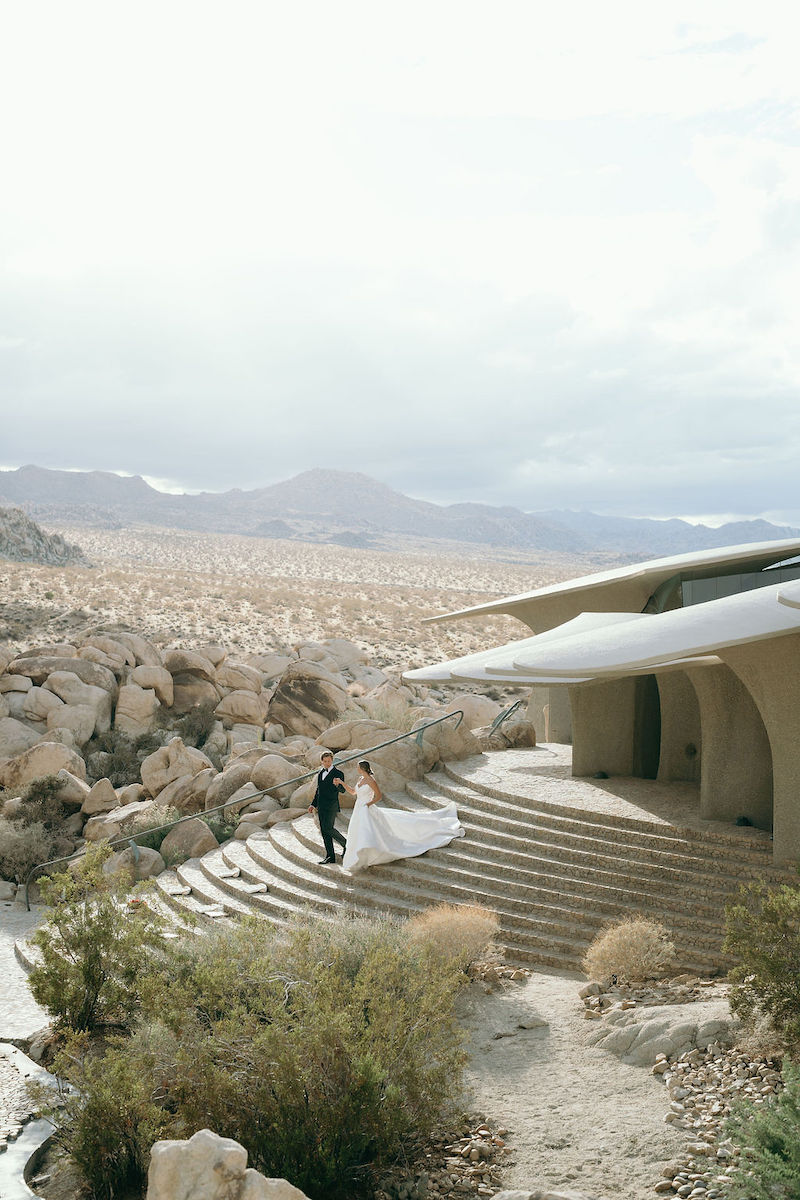 Photo by Logan Alexander Co.(opens in new tab) // Planner: COJ Events(opens in new tab)
What are the top West Coast destinations for weddings?
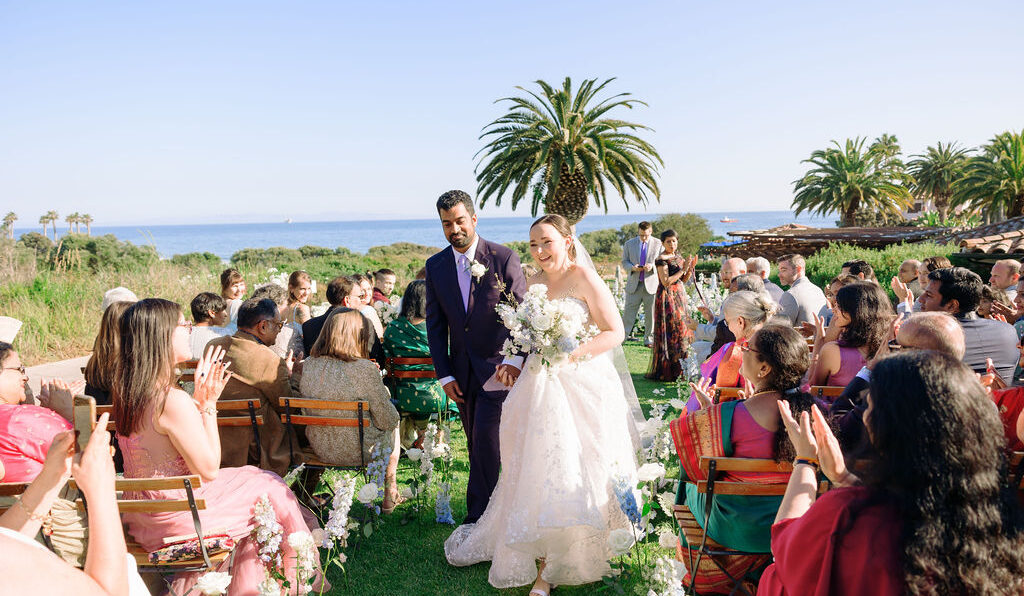
Ask any planner who works the region, and a few names come up again and again: Palm Springs, Santa Barbara, Santa Ynez, and Napa.
Palm Springs and the greater Coachella Valley, which stretches across eight small cities, have become an especially strong draw. “The weather odds are so strong for most of the year, and it’s an easy destination to reach,” says Cathy O’Connell, co-founder and creative director of COJ Events in Palm Springs. Major airports serve the area from nearly anywhere in the country, and she notes that a lot of couples already have a personal tie to the desert, whether that’s a grandparent who used to winter there or a childhood trip that stuck with them.
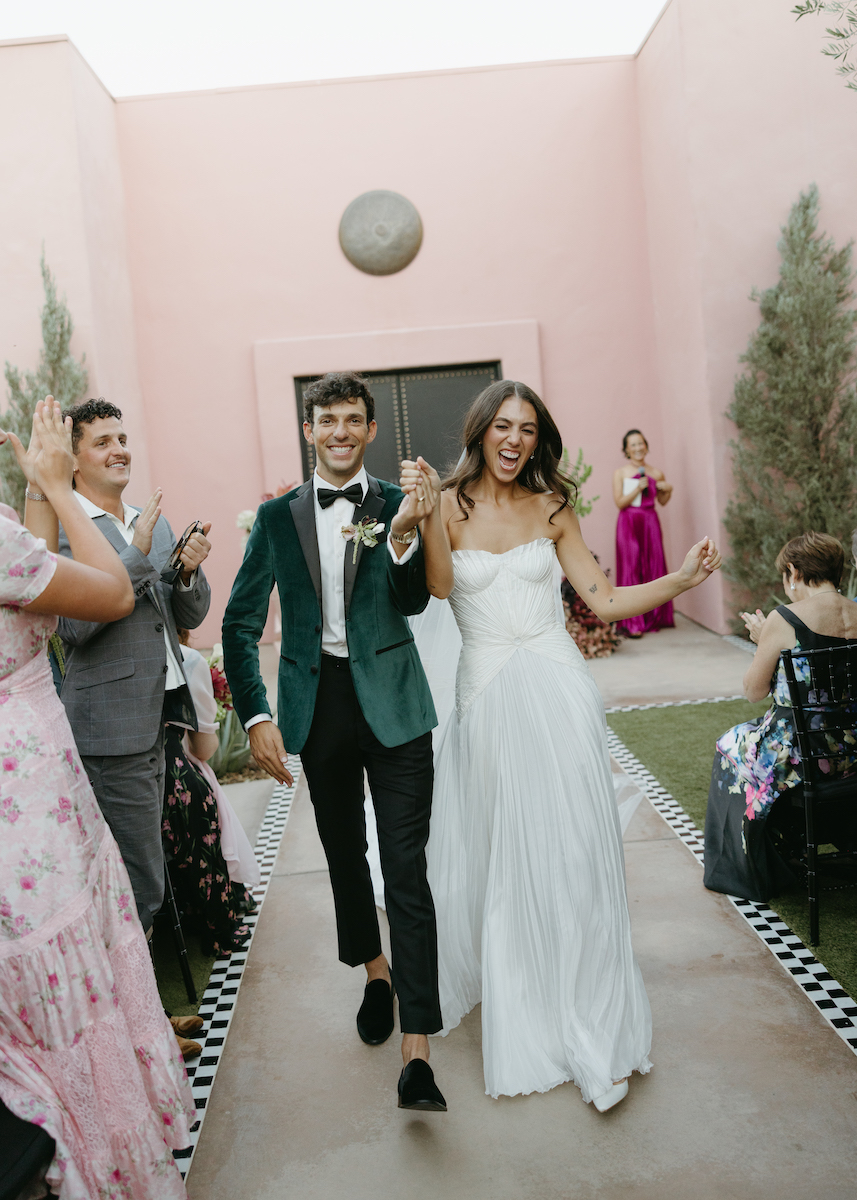 Photo by Autumn Shipp(opens in new tab)
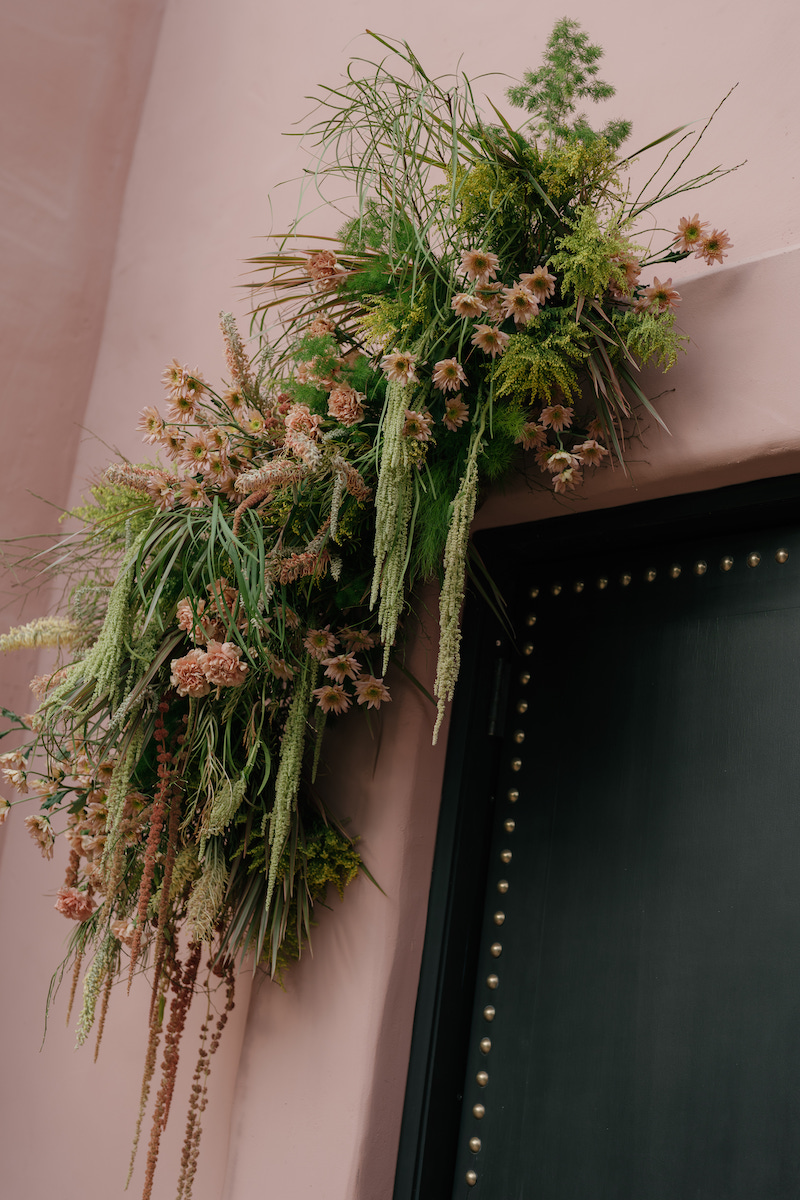 Photo by Krista K Photos(opens in new tab)
The numbers back that up. “Palm Springs and the Coachella Valley offer 350 days of sunshine a year, making it one of the top locations for West Coast destination weddings,” says Olivia Prescott, Director of Sales & Events at Sands Hotel & Spa in Indian Wells. The valley sits within a two-hour drive of LA, Orange County and San Diego, with direct flights into Palm Springs International Airport from major hubs nationwide, a combination that makes it easy to reach whether guests are driving in from Southern California or flying in from across the country.
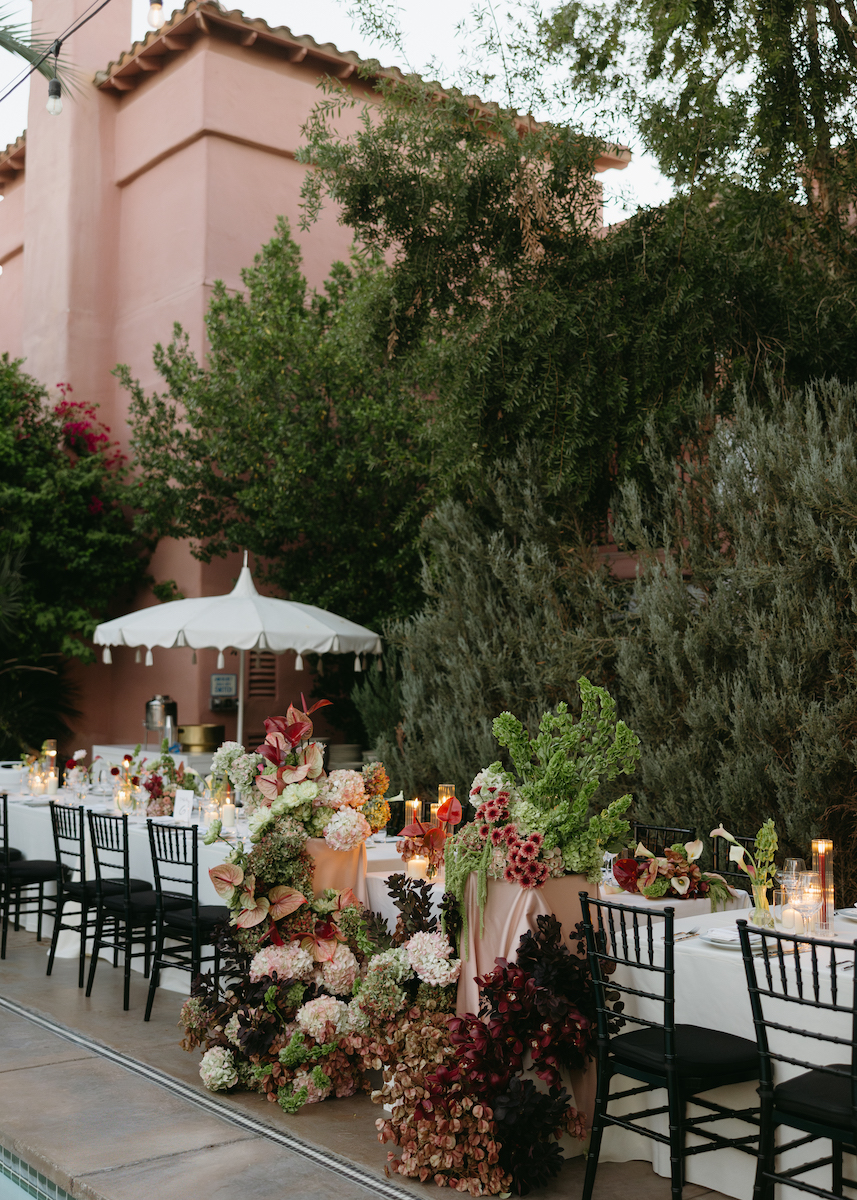 Photo by Autumn Shipp(opens in new tab)
 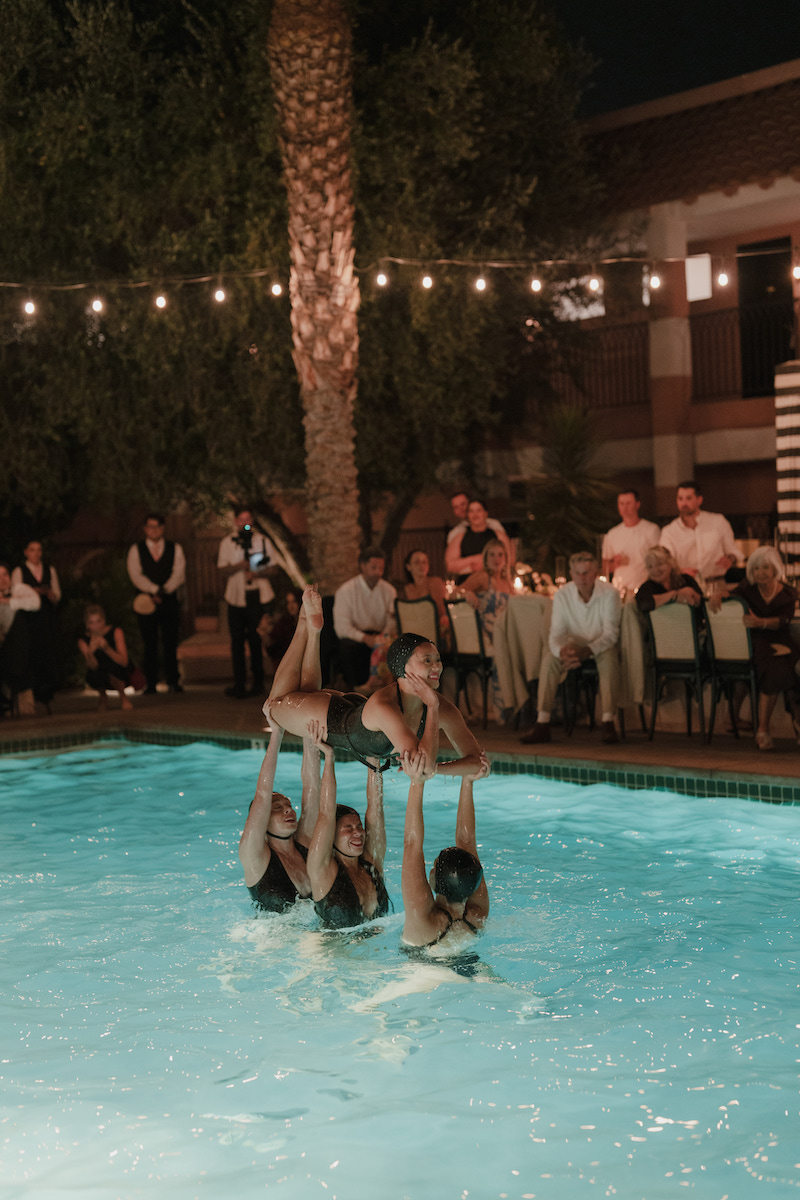 Photo by Krista K Photos(opens in new tab)
The valley’s architecture is part of the draw, too. Boutique properties like the Sands Hotel & Spa, have turned the area into a showcase for mid-century modern design, giving couples a striking, ready-made backdrop before they even start planning décor.
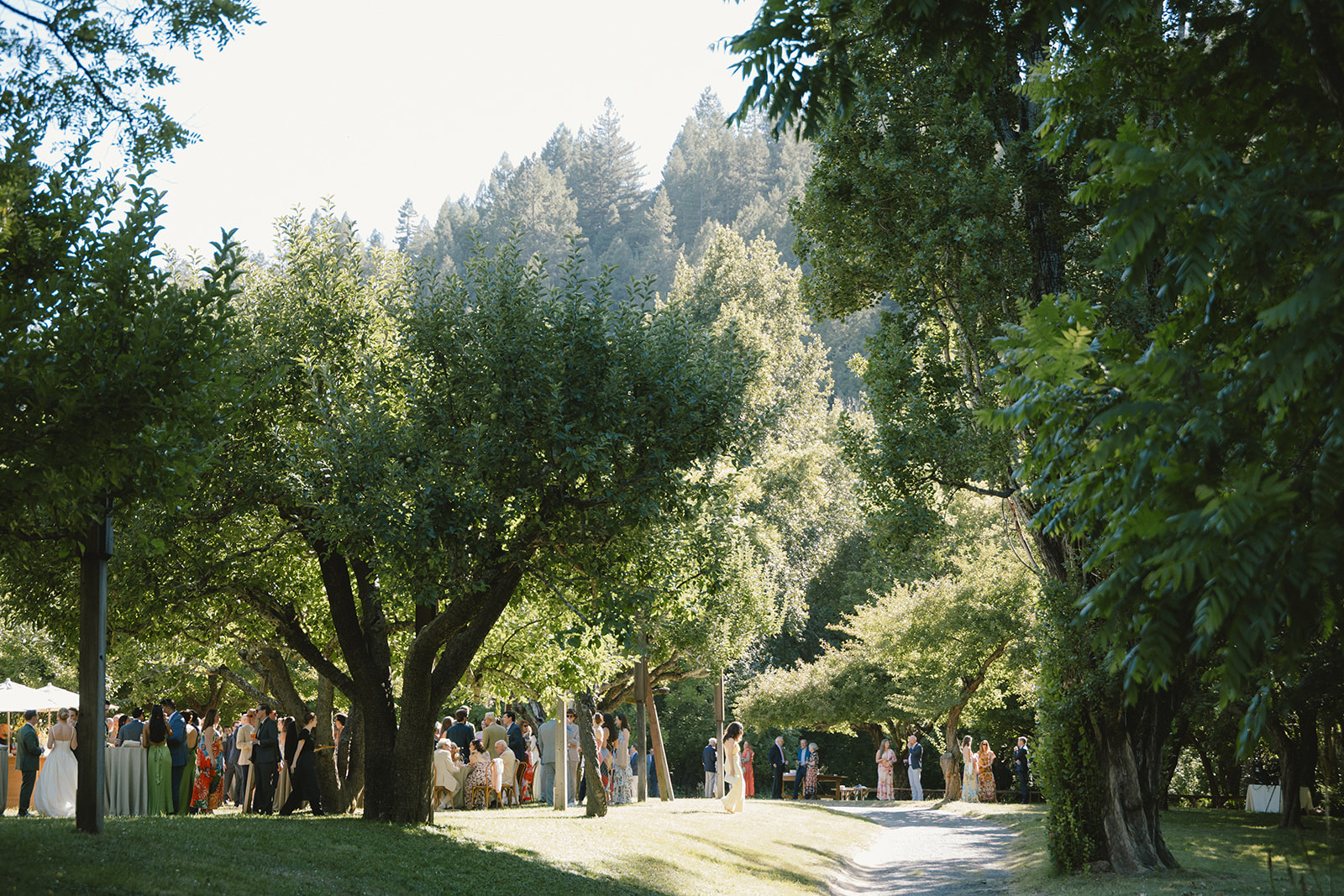 Photo by Stephanie Klotz Photo(opens in new tab) // Planner: Chloe Alise Events(opens in new tab)
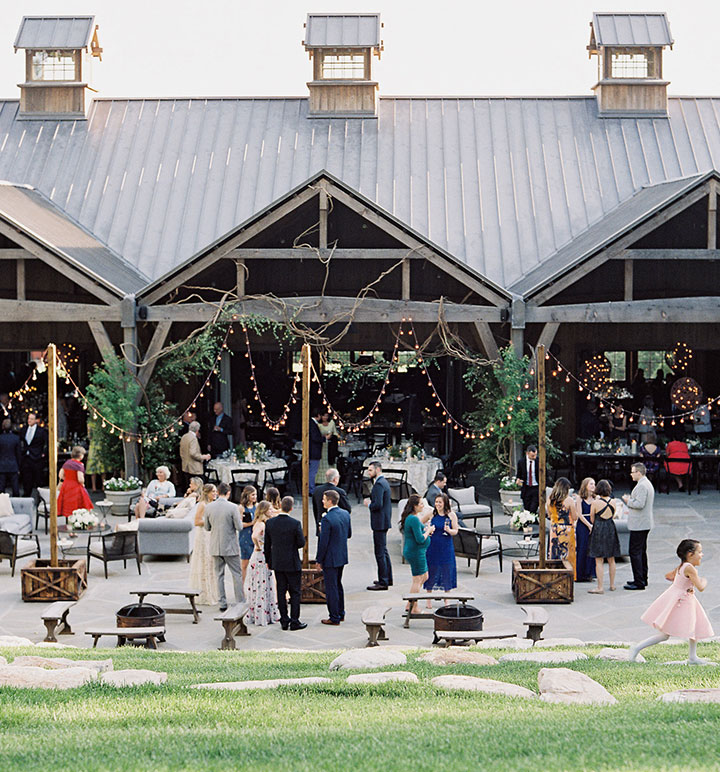
Further north, the Bay Area has its own devoted following. “With the West Coast making up about 40% of our wedding locations, we find our clients are really drawn to the general moderate temperature year-round,” says Chloe Skelly of Chloe Alise Events, a Texas-based planner who does significant work in the North Bay. Rivers, redwoods, and coastline all sit within a 60-minute drive of San Francisco, giving couples access to wildly different backdrops without a long travel day between them.
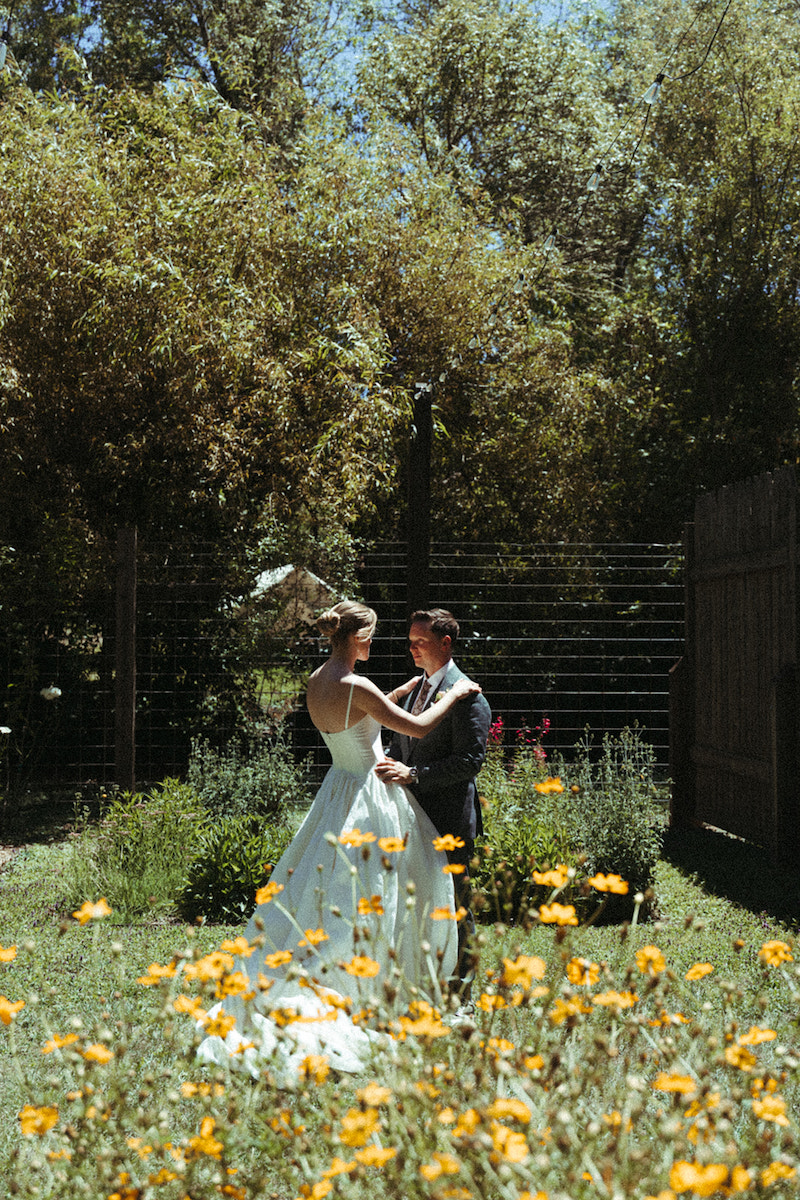 Photo by Stephanie Klotz Photo(opens in new tab) // Planner: Chloe Alise Events(opens in new tab)
Why are more couples choosing the West Coast for their destination weddings?
Accessibility is part of the appeal: direct flights, manageable drive times, airports that make life easier on out-of-town guests. But planners say the real draw is something harder to put in words: it’s a feeling.
“Couples come to us from the East Coast having been to a dozen weddings that all followed the same order, the same traditions, the same room,” O’Connell says. “They want something with a different rhythm. The West Coast gives them the opportunity to build a weekend that looks and feels like them, not like the last five weddings they attended.”
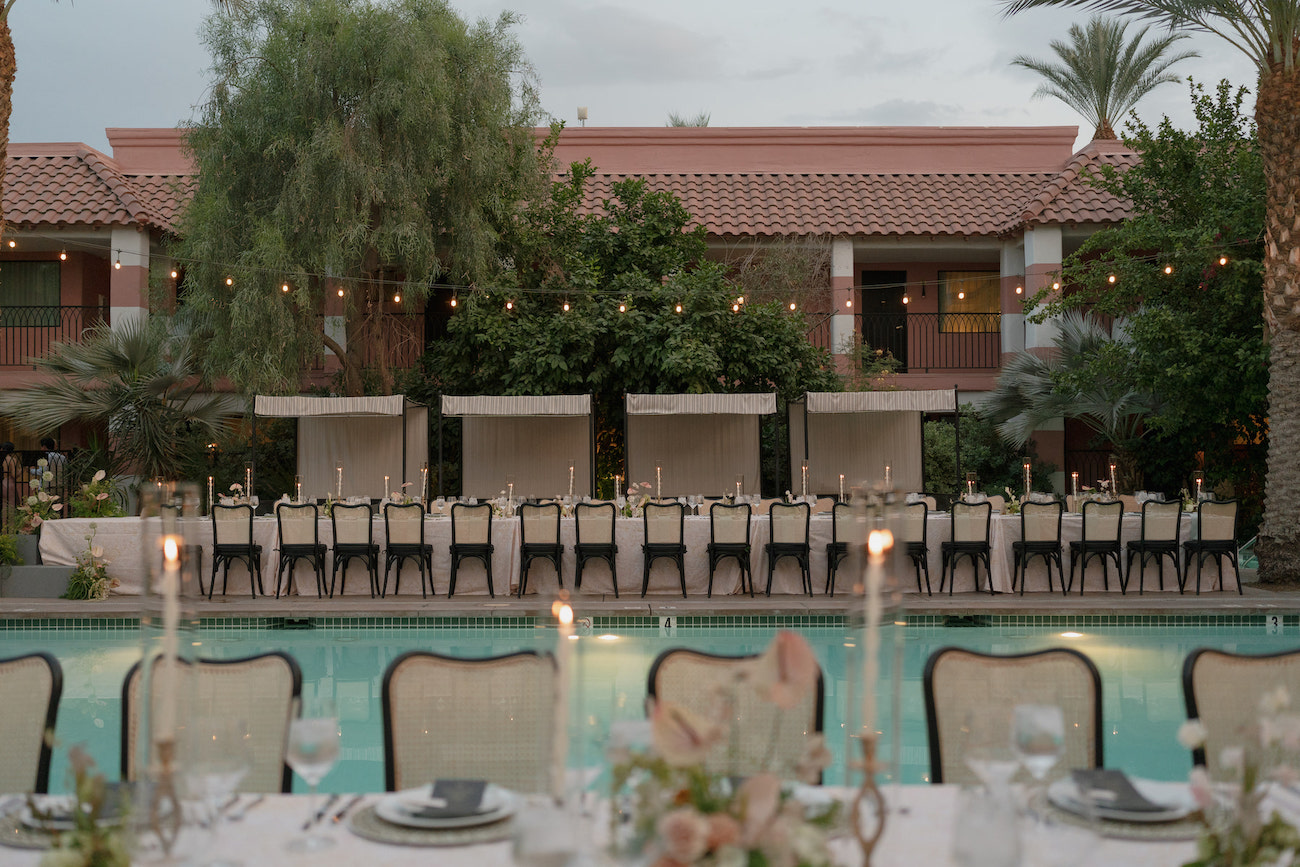 Photo by Krista K Photos(opens in new tab)
Prescott sees a similar draw from the Coachella Valley side, though she frames it in practical terms. Couples are choosing the West Coast because it offers an easily accessible destination, a genuinely relaxed vibe, a secure investment for a once-in-a-lifetime event, and, increasingly top of mind for couples planning around travel, safety for all travelers.
What tends to define a West Coast destination wedding?
If there’s one throughline across the region, it’s that the wedding is rarely just a wedding; it’s a weekend.
“Even when we’re planning inside Los Angeles, we build the weekend as a full arc,” O’Connell explains. “Something for guests on Friday, the wedding on Saturday, a brunch on Sunday. A six-hour, in-and-out wedding just isn’t how our couples think about it. They want their guests to have a real experience in the destination, not attend an event.”
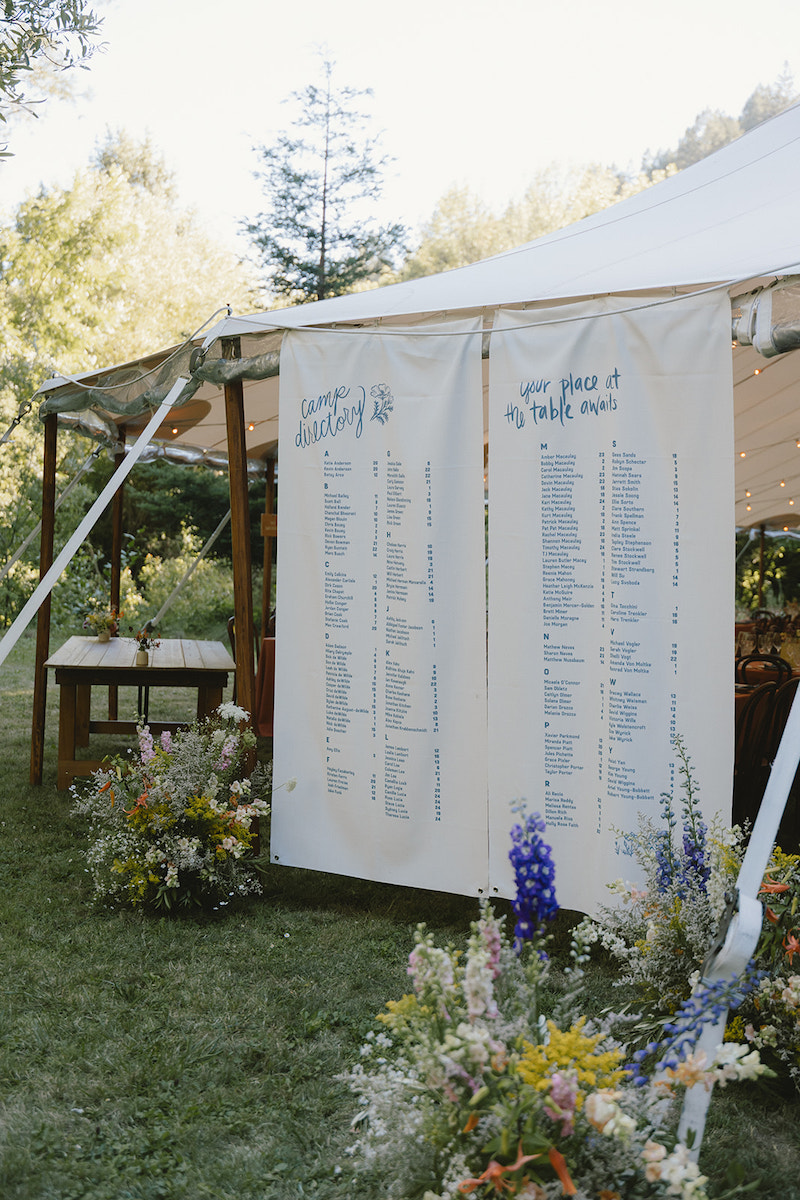 Photo by Stephanie Klotz Photo(opens in new tab) // Planner: Chloe Alise Events(opens in new tab)
Design-wise, West Coast weddings tend to take their cues directly from the landscape rather than working against it. From Palm Springs’ snow-capped mountain backdrops and rolling desert golf courses to the Bay Area’s redwood groves and river valleys, the setting does a lot of the heavy lifting. It is a coastline that offers beaches, mountains, and minimalist desert scenery all within a couple of hours of each other, giving couples room to choose a mood rather than settle for whatever their venue happens to have on hand.
That landscape has also made the Coachella Valley a design destination in its own right, home to the largest collection of mid-century modern architecture in the country. Prescott points to boutique hotels throughout the valley, each with its own take on the aesthetic, including work from designers like Jonathan Adler and Kelly Wearstler, as a built-in head start for couples chasing a distinctive visual identity before a single flower is ordered.
Tips for Couples Planning a West Coast Destination Wedding
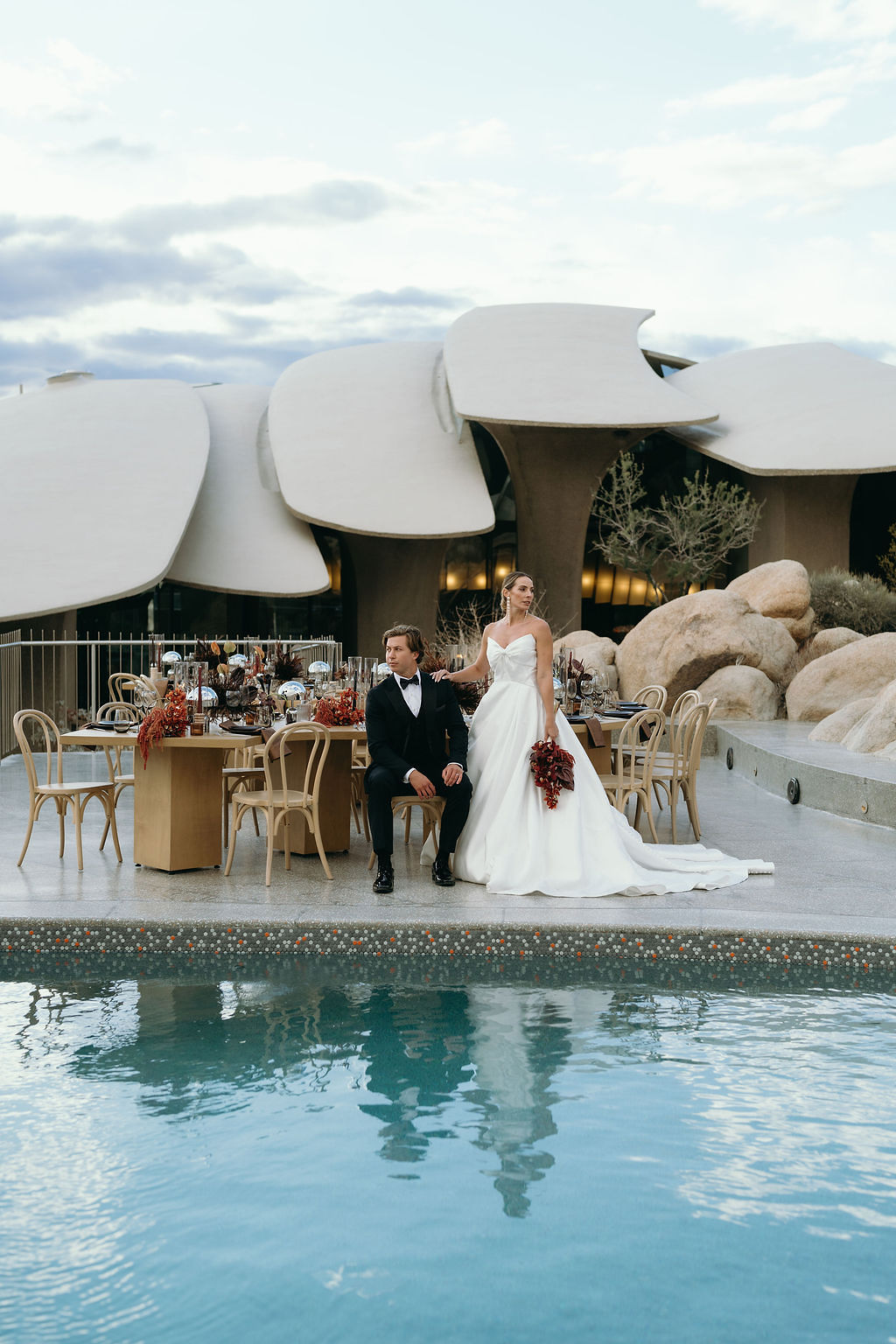 Photo by Logan Alexander Co.(opens in new tab) // Planner: COJ Events(opens in new tab)
Check the calendar before you check the venue.
Great weather doesn’t guarantee a great date. “April is one of the best months in Palm Springs for a wedding, but it’s also when Coachella and Stagecoach happen, which makes it a difficult month for hotel availability and traffic,” O’Connell says. “Know what else is happening in your destination before you lock a date.” The same logic applies further north. Skelly points to September through late October as the sweet spot in the Bay Area. Once the region’s cooler “Indian Summer” pattern gives way, it becomes a hot spot destination.
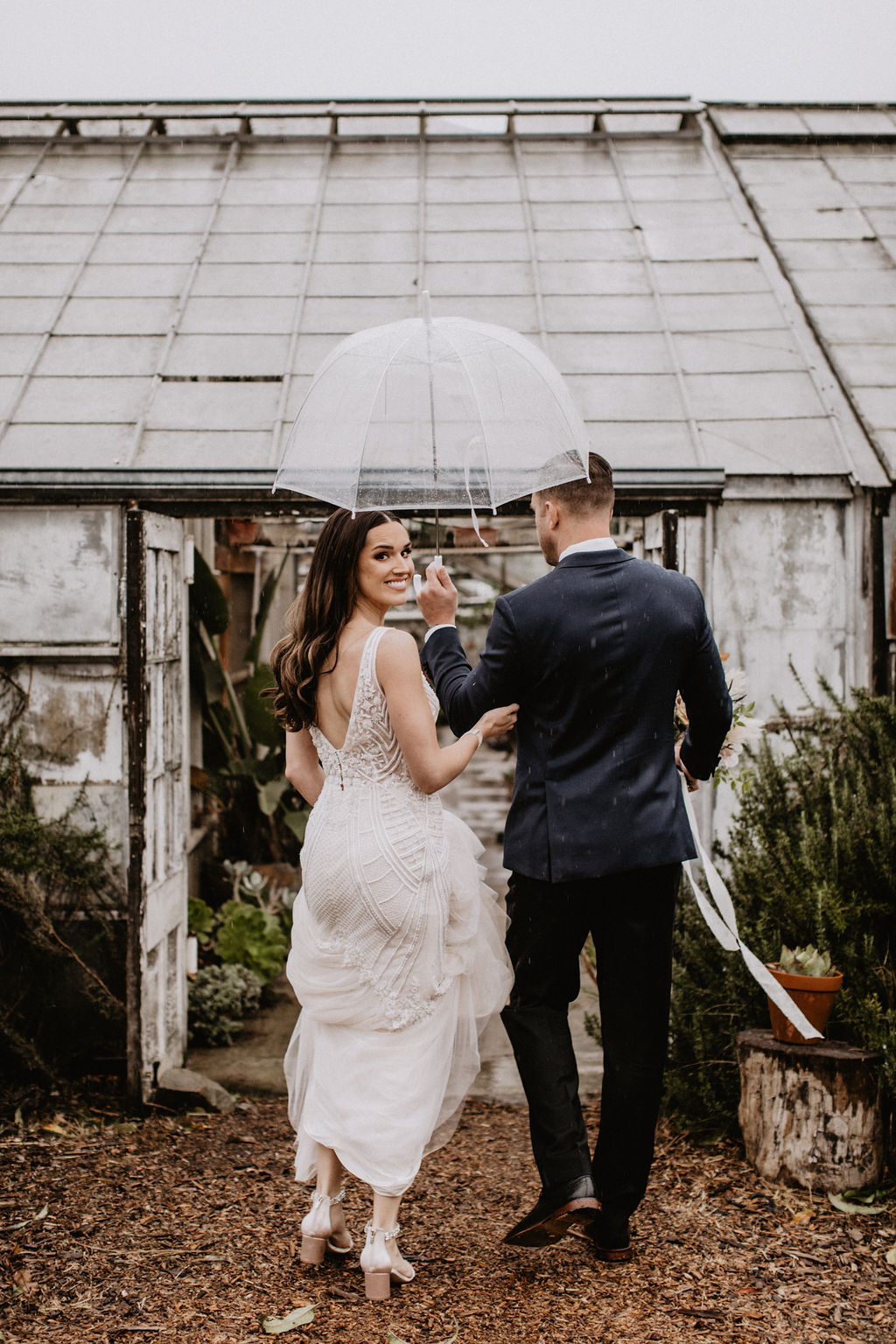 Photo by Matt + Jess(opens in new tab)
Have a real weather backup, not a vague one.
“There’s nothing worse than 200 guests in a field when the weather turns, and no one has a plan B,” O’Connell says. A tent someone mentioned in passing isn’t a plan.
 Photo by Jessica Mangia(opens in new tab)
Design the whole weekend around your guests, not just your ceremony.
Logistics can make or break the experience just as much as decor. “That falls apart fast if they’re on a bus for ninety minutes to get to the venue, if the host hotel is inconvenient, or if their travel costs weren’t considered when you picked the location,” O’Connell says.
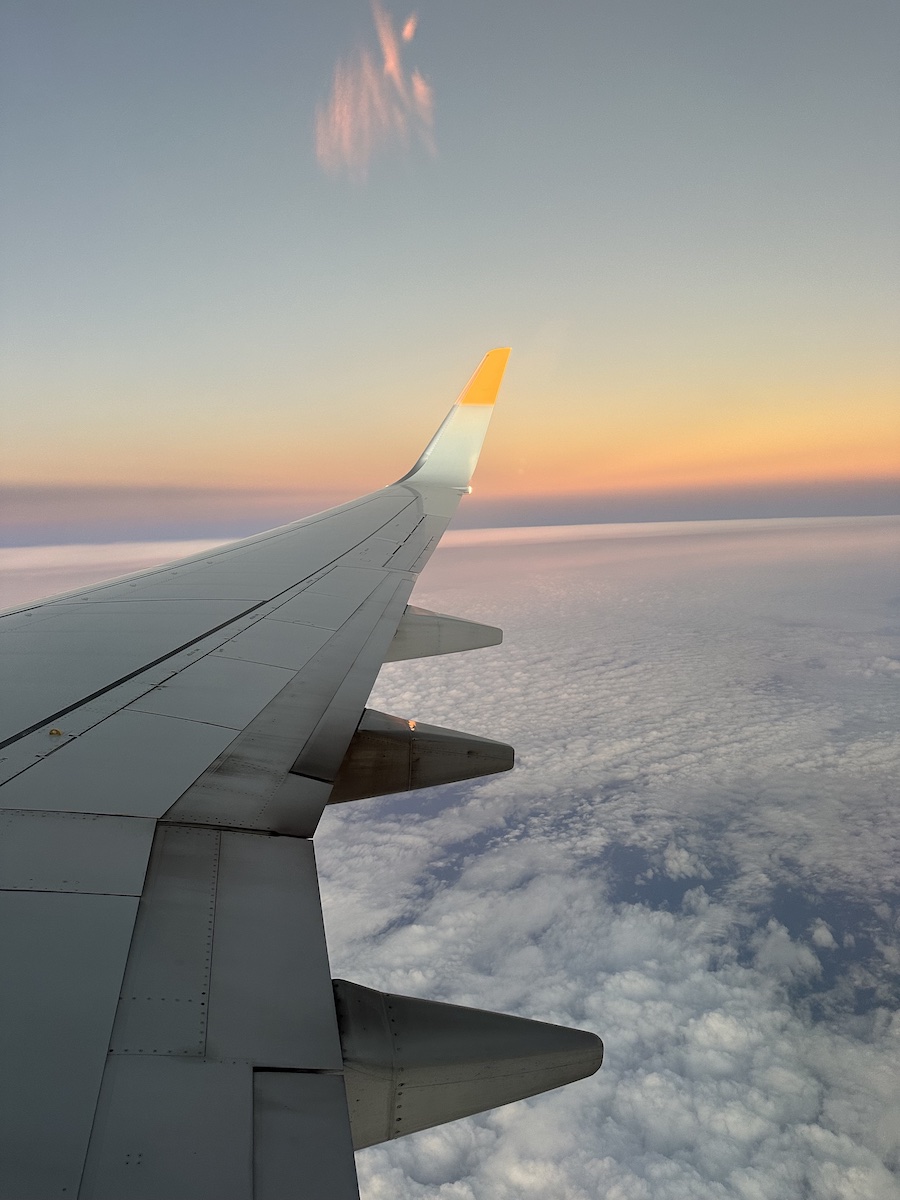 Photo by Lauren Ertl
Look at flight schedules before you fall in love with a venue.
“Be sure to look at flight schedules from your major travel cities to determine accessibility,” Prescott advises. A destination that feels convenient to you may be a multi-connection ordeal for half your guest list.
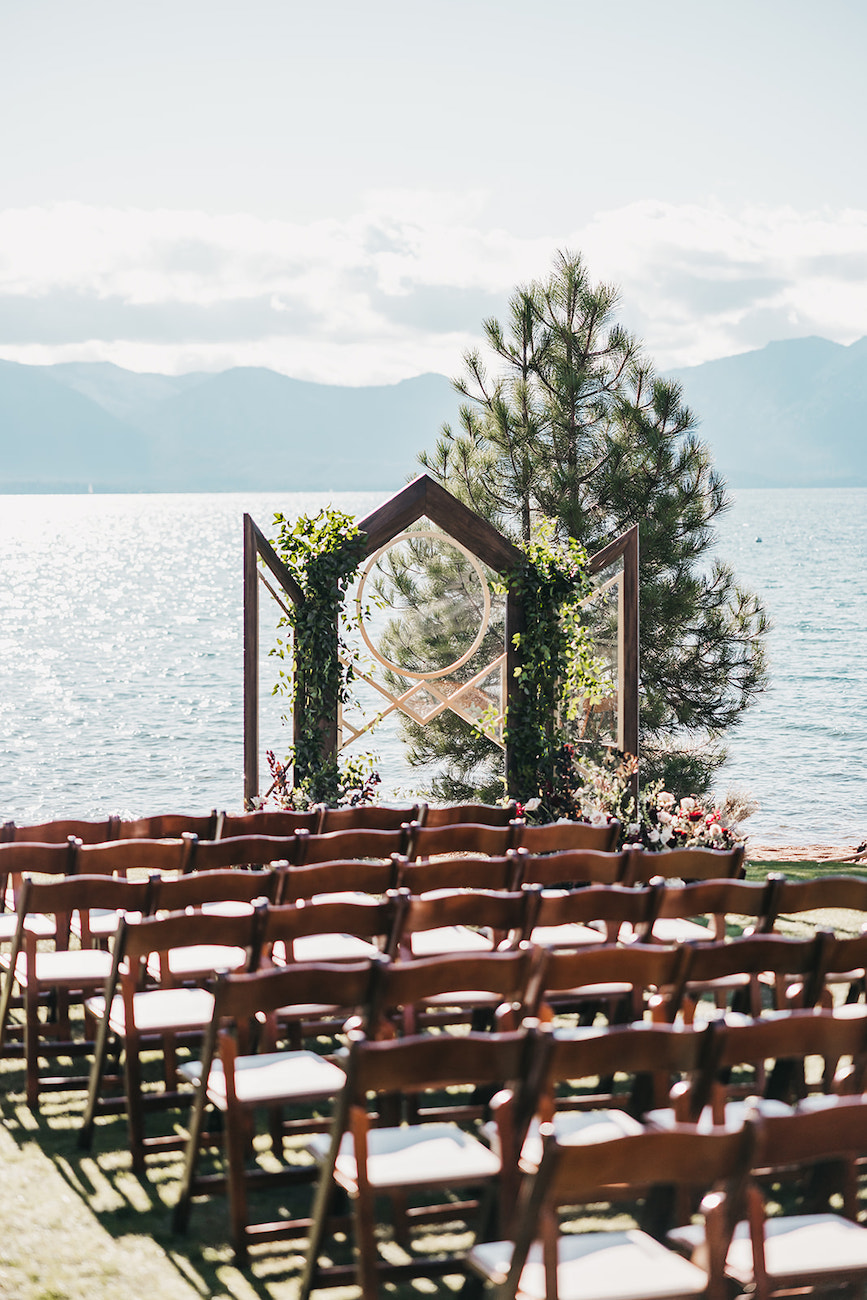 Photo by Vild Photography(opens in new tab)
Build in flexibility if budget is a factor.
“If you are working with a leaner budget, be open to shoulder or low seasons for the best pricing,” Prescott says. “The more flexibility you have, the greater the gain.” Shoulder and low seasons can mean significantly better rates without sacrificing the destination itself; the tradeoff is worth weighing early, before a date is locked in.
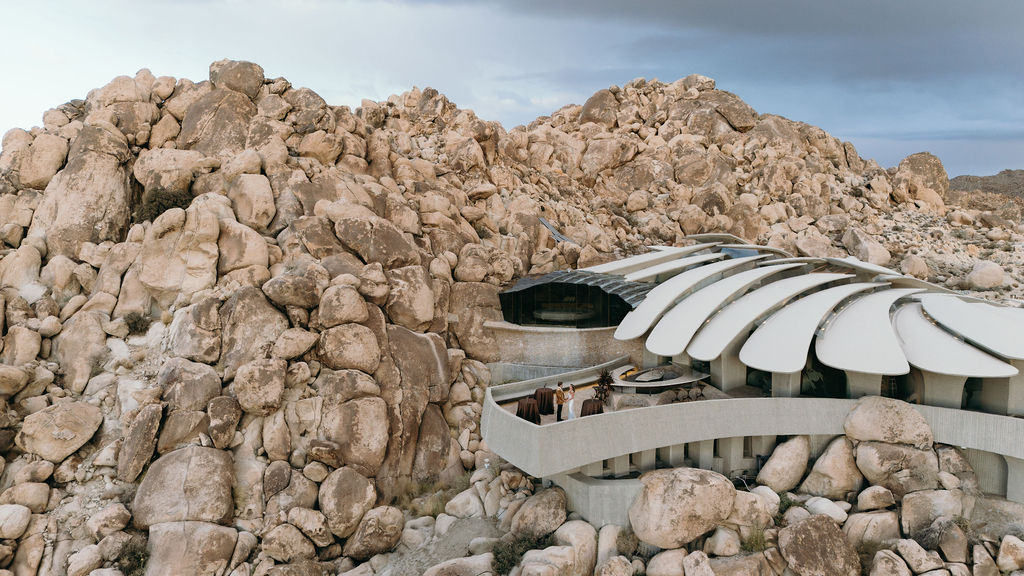 Photo by Logan Alexander Co.(opens in new tab) // Planner: COJ Events(opens in new tab)
Read the fine print if you’re planning internationally or across state lines.
Prescott recommends reading the Force Majeure clause in any vendor agreement closely, making sure it outlines every possible scenario that could prevent you or your guests from reaching the destination, not just the obvious ones.
At the end of the day, the appeal of a West Coast destination wedding isn’t just sunshine and good flight connections; it’s the freedom to build something that doesn’t look like every other wedding on the guest list. For couples willing to plan around the landscape instead of against it, that freedom is proving hard to resist.
Featured image by Elizabeth Burgi Photography(opens in new tab)