
How Many Days Should a Destination Wedding Last?
January 29, 2026
Words by
Photos courtesy of
So, you’ve decided to trade the local banquet hall for a sunset in Santorini or a villa in Tuscany. Brilliant move! But, now comes the logistical riddle that many couples face after landing on a wedding away: how many days should a destination wedding last?
Ask around, and you’ll hear everything from a “quick weekend” to “basically moving there for a month.” To save you the headache, we consulted some of the top voices in the destination wedding industry to define the perfect timeline.
Whether you’re aiming for a high-energy sprint or a “slow wedding” marathon, here is how to time your big getaway perfectly.
1. The Sweet Spot: The Ideal 3-to-4 Day Stay
 Photo by Andrea Enger Photography
For the majority of destination weddings, experts agree that a three- to four-day window is the golden rule. Andrea of Andrea Enger Photography identifies this as the “sweet spot to create a vacation feeling and avoid guest burnout.”
Ultimately, the key to a successful destination wedding timeline is to think “quality over quantity, creating meaningful moments rather than filling every hour with activities,” Audrey-Maria Cadio of The Wedding Atelier says. Ali Phillips of Engaging Events by Ali adds that a three-day window gives guests “time to travel but also to have some free time.”
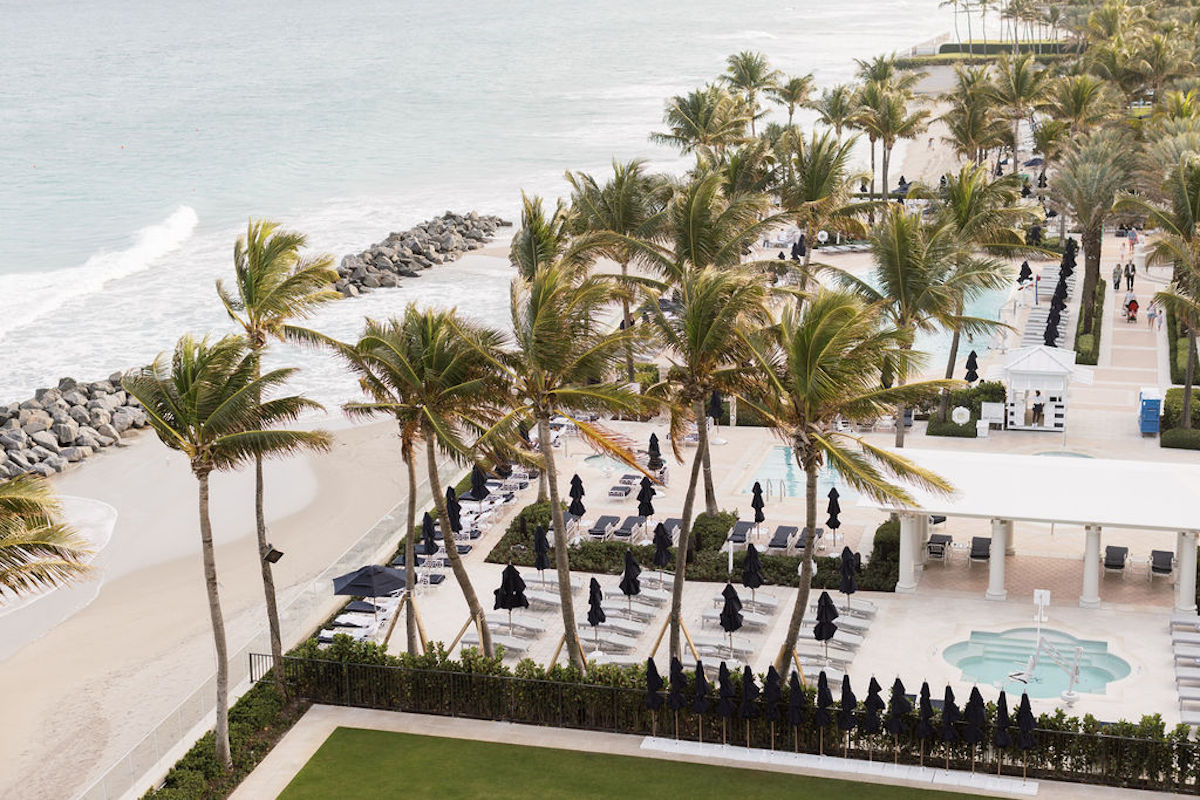 Photo by Taylor Jordan Photo // Planner: A. Marie Events & Design
2. Adjusting Your Timeline for Travel Distance
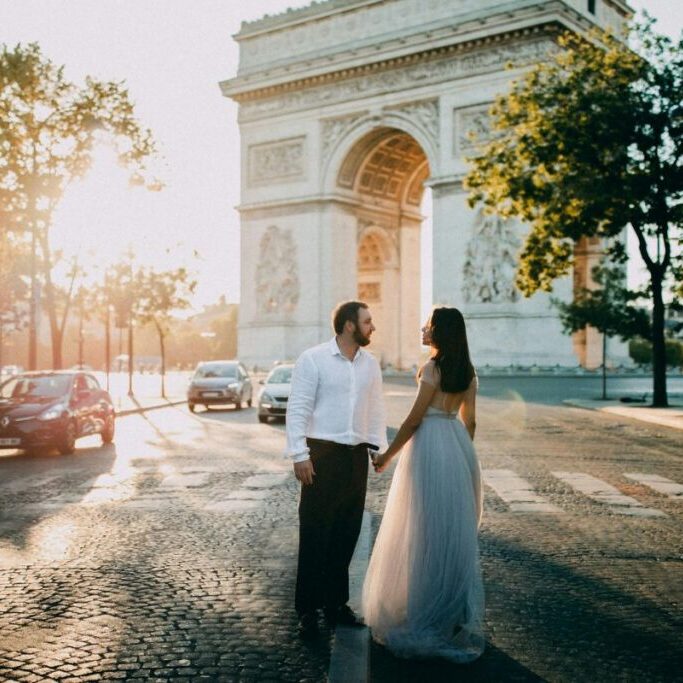
If your destination wedding requires guests to fly more than six hours, the circumstances change. Vicky Furman of Vicky Furman Events suggests a more robust six-day itinerary: “One to arrive, one to leave, two before the wedding day, and one after!”
Securing a room block for a minimum of three nights is highly recommended, according to Taryn Wyant of Taryn Stark Wyant, this is to account for “guests’ possible travel challenges and jet-lag.” This buffer also ensures the investment feels worthwhile for your guests. After all, “It’s the laughter, connections, and little in-between moments that make the story complete,” Shelli Nornes of Romance Travel Group notes.
3. Leading the Way: The Couple’s Essential Head Start
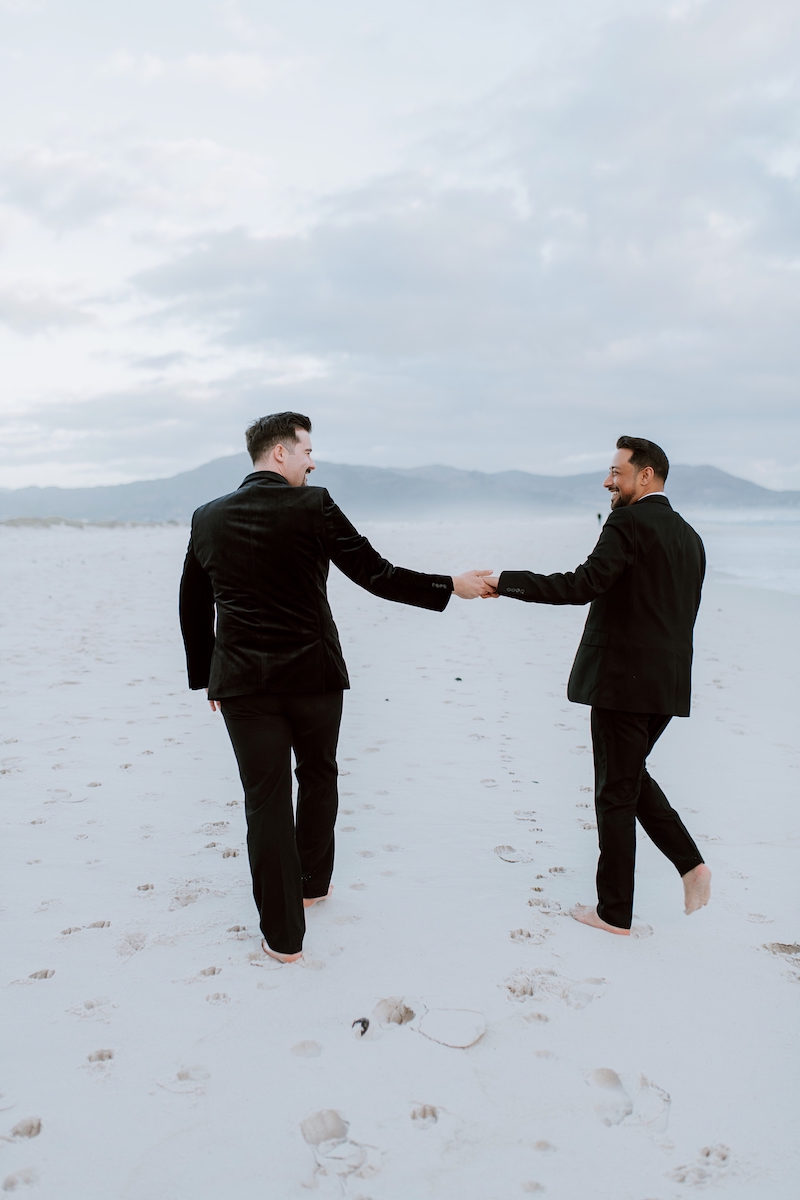 Photo by Hanri Human
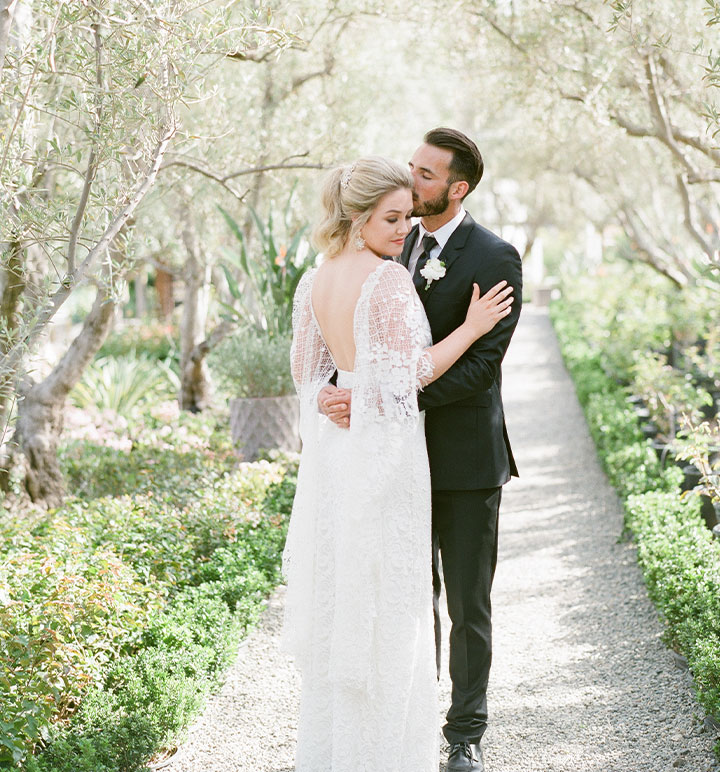
A seamless guest experience begins with the couple arriving well before the first welcome drink is poured. Reneille Velez of Gian Events encourages couples to arrive early to treat those initial days as “intentional recovery time, not just logistics time.” This head start allows you to handle final walkthroughs and vendor meetings “calmly,” ensuring you feel “rested and present, rather than stepping straight into a busy schedule.”
Arriving early also has a visual impact. According to photographer Rebecca Marie of Rebecca Marie Photography, “couples who arrive early are noticeably more relaxed, present, and joyful on the wedding day.”
4. Intentional Hosting and Logistics
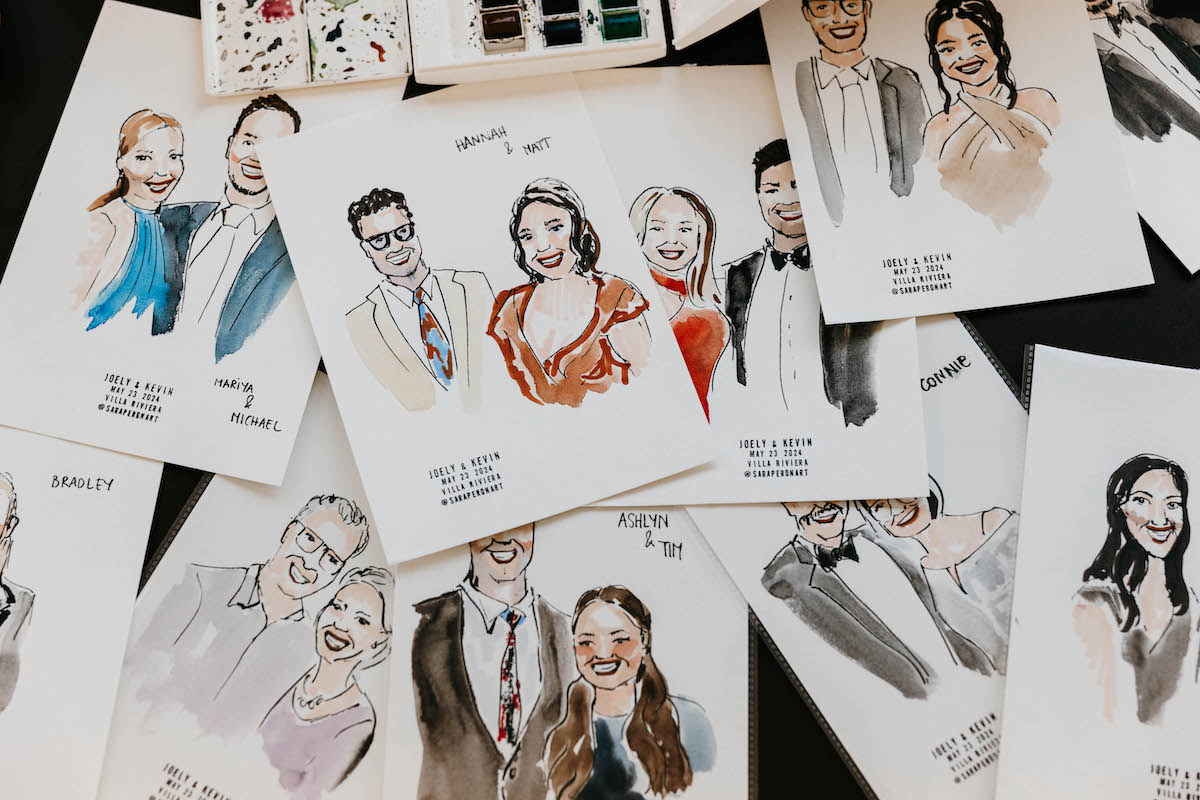 Photo by Julia Elise Collective // Planner: BWEDDINGS & EVENTS
While resort room blocks often mandate a minimum stay of two to three nights, couples should use this to their advantage to create a cohesive flow. Anita Craine of A. Marie Events & Design suggests that “a relaxed welcome, the wedding day, and an easy farewell brunch create a complete experience without turning the trip into an obligation.” To maintain this relaxed vibe, she advises couples to make the ‘optional’ activities and events truly optional: “clearly communicate that guests can participate as they wish.”
From a planning perspective, Barbara Vanni of BWEDDINGS & EVENTS notes that “knowing the minimum stay early allows couples to avoid scheduling the wedding too early (before guests have settled) or too late (when guests begin to plan their checkouts).”
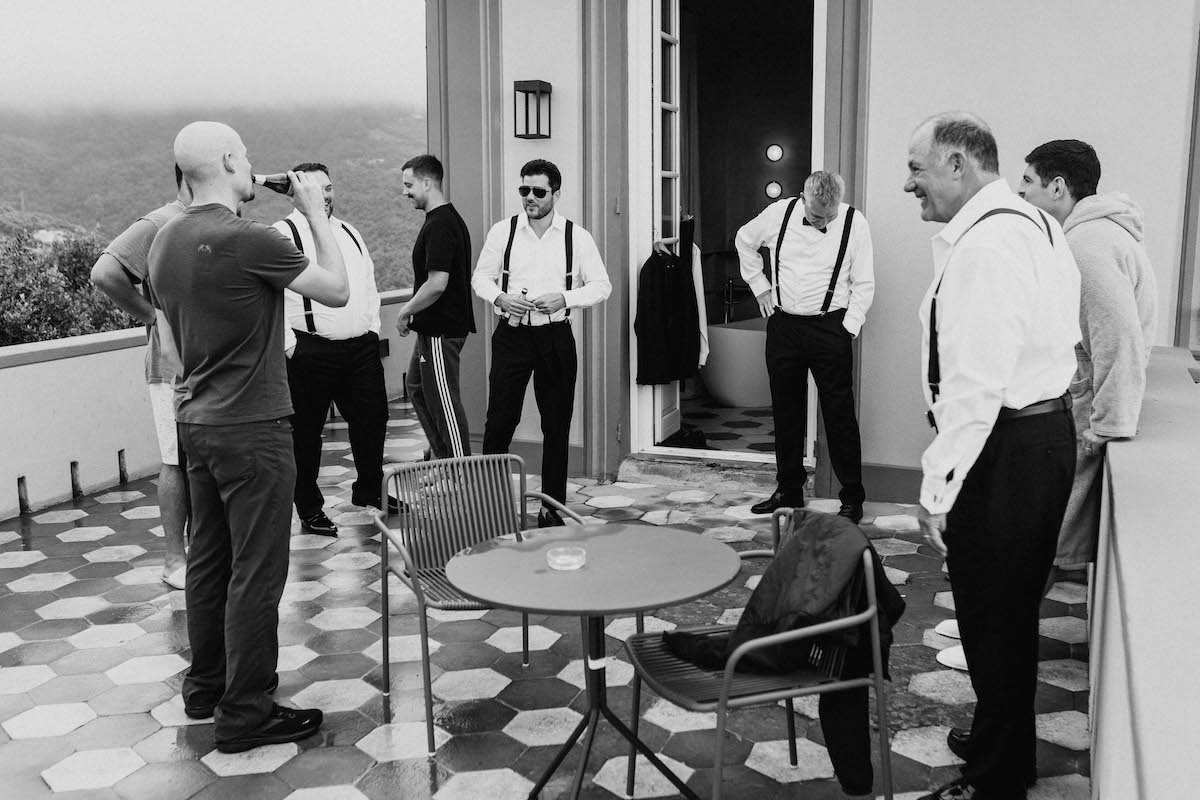 Photo by Julia Elise Collective // Planner: BWEDDINGS & EVENTS
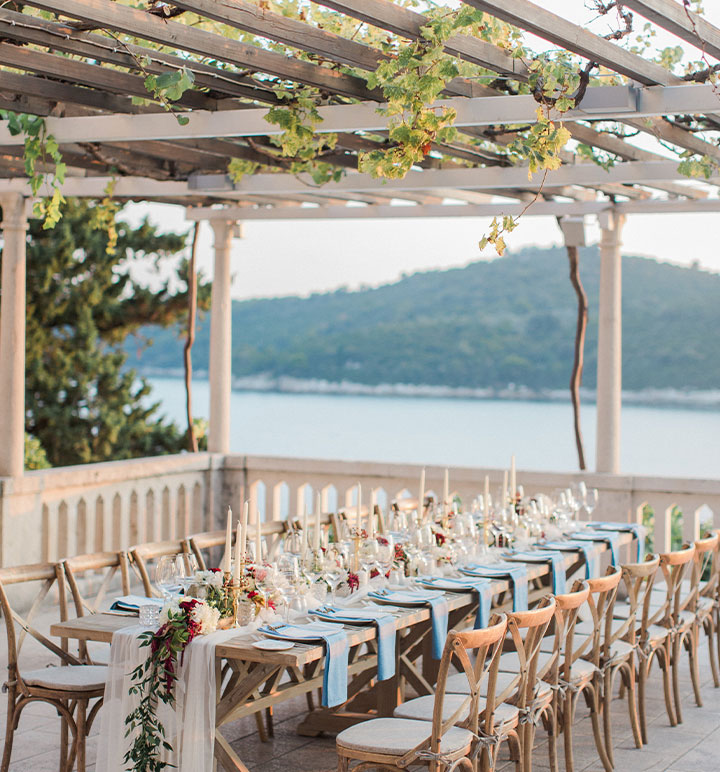
Logistics also play into the social fabric of the week. Wyant suggests hosting “a minimum of two formal events, the rehearsal dinner and the wedding day,” while encouraging “one to two informal events, such as a welcome reception and farewell brunch.” These additional moments are crucial for guests’ comfort, as Isabella Rodriguez of Isabella Rodríguez Photography notes that these auxiliary events give guests the time and space they need “to connect and actually enjoy the destination without feeling over-scheduled.”
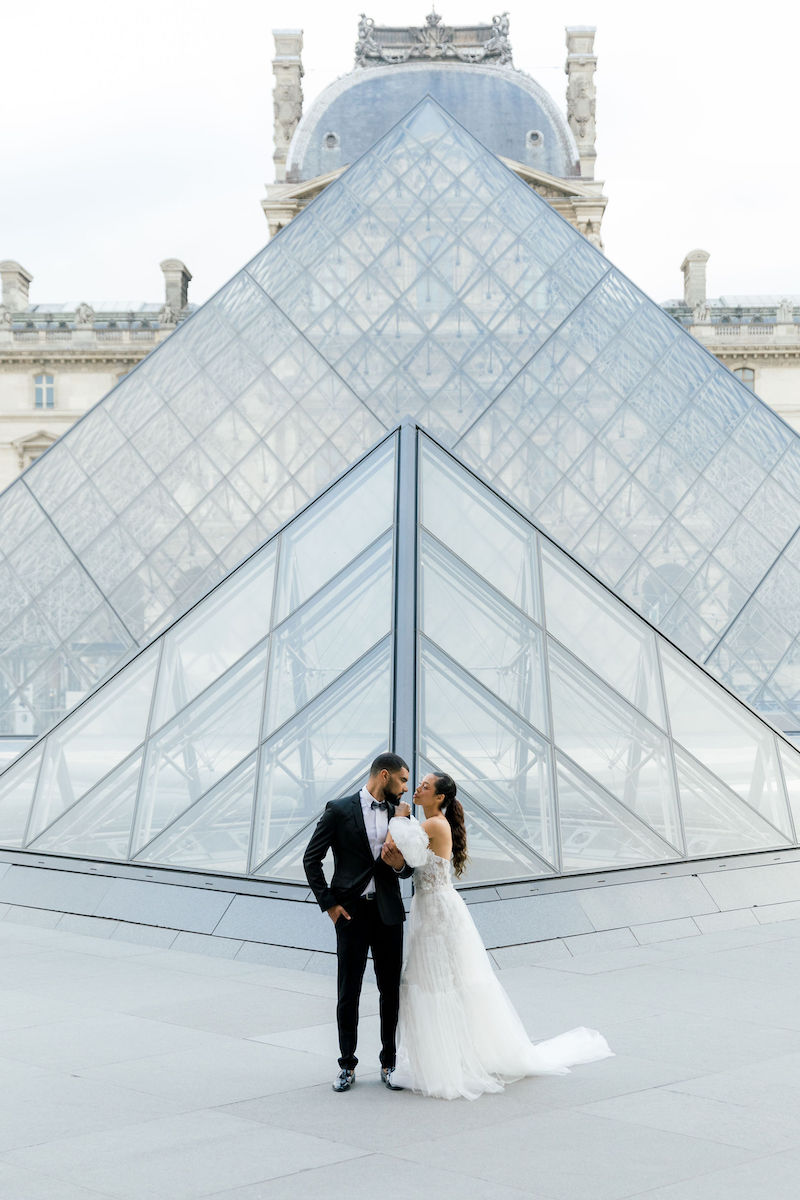 Photo by Isabella Rodríguez Photography
5. The Narrative Arc: Storytelling Beyond the Ceremony
From a photography and film perspective, a multi-day celebration is about more than just extra photos; it’s about depth. Enger explains that a three-day event allows a creator to “document a complete narrative arc, not just a plot point.” This approach also fosters a connection with your creative team. As Rodriguez says, when “guests start to feel familiar with me… everyone is noticeably more comfortable in front of the camera.”
Plus, for the fashionista brides, Kayla Okpareke of Kayla Kollection notes one final perk to a longer stay: “from one fashion lover to another, the more outfit options, the merrier!”
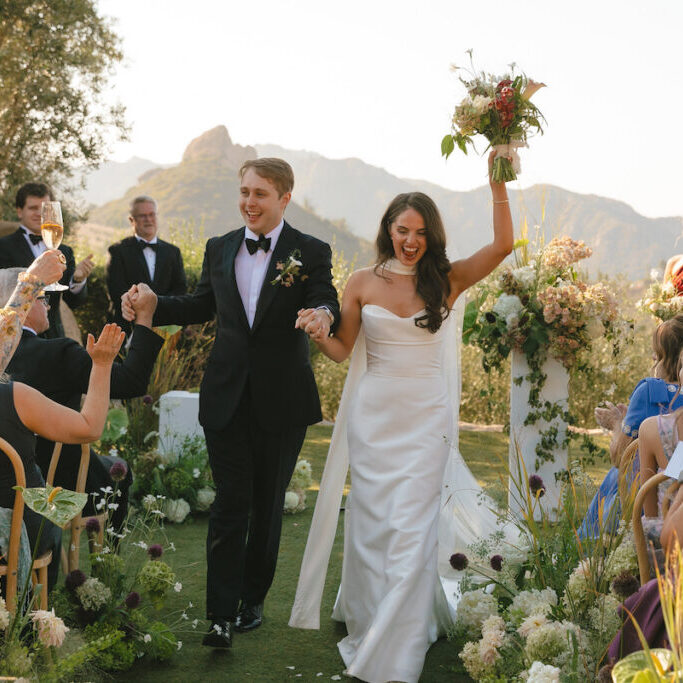
Victoria Morris of Sophisticated Weddings summarizes it all best: “the goal is not to entertain guests constantly, but to create a shared celebration that feels relaxed, thoughtful and deeply memorable for everyone involved.”
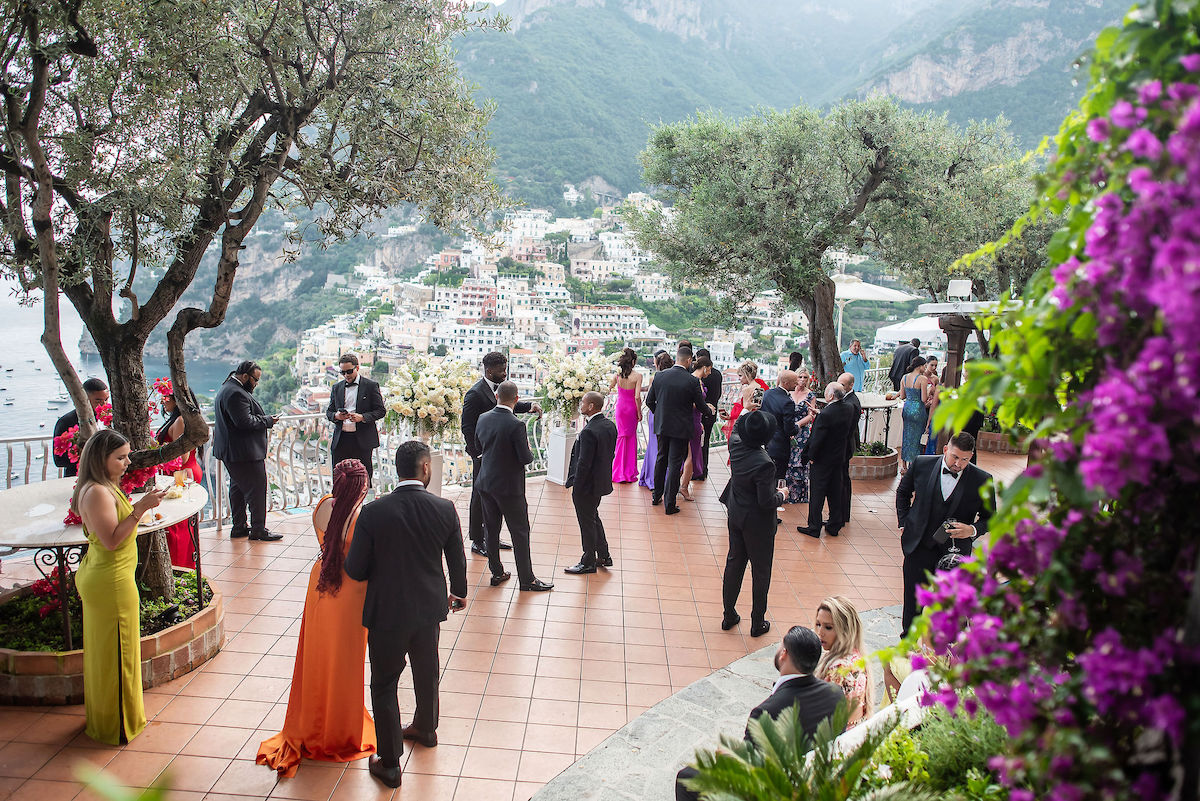 Photo above & featured image by Nakutis Photography // Planner: Sophisticated Weddings