Planning Tips for a Remote Wedding
September 27, 2025
Words by
Photos courtesy of
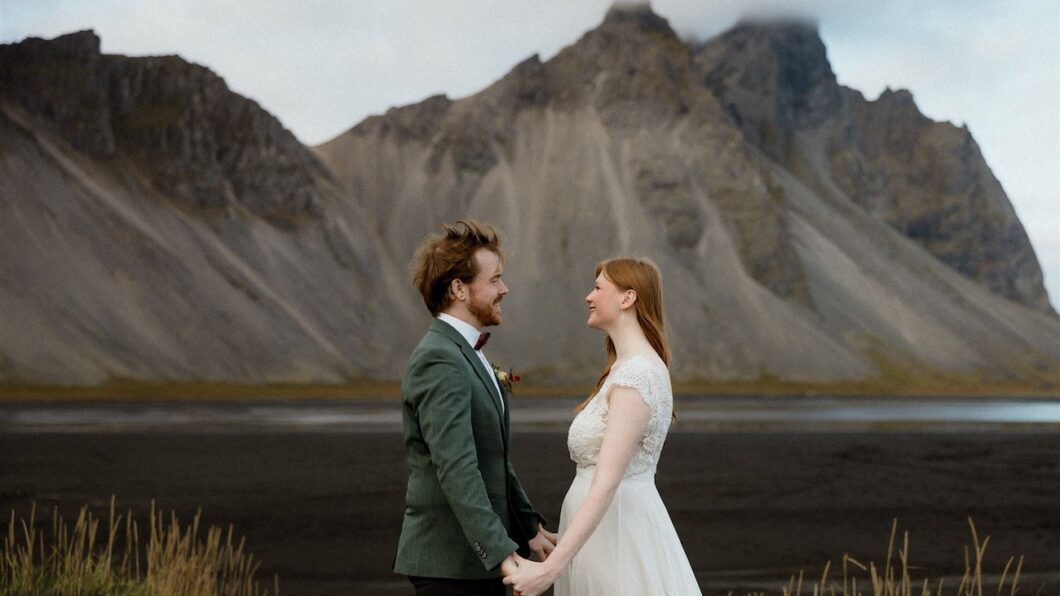
If the idea of getting married far from the chaos of the city, surrounded by total wilderness excites you, this article was written just for you. While this type of setting typically lends itself more to elopements with minimal details, that doesn’t mean it HAS to. In fact, when equipped with the right information and insider tips, pulling off a full-on wedding (guests and all) without the resources of a city close by is totally attainable! Read on for all the planning tips for a remote wedding.
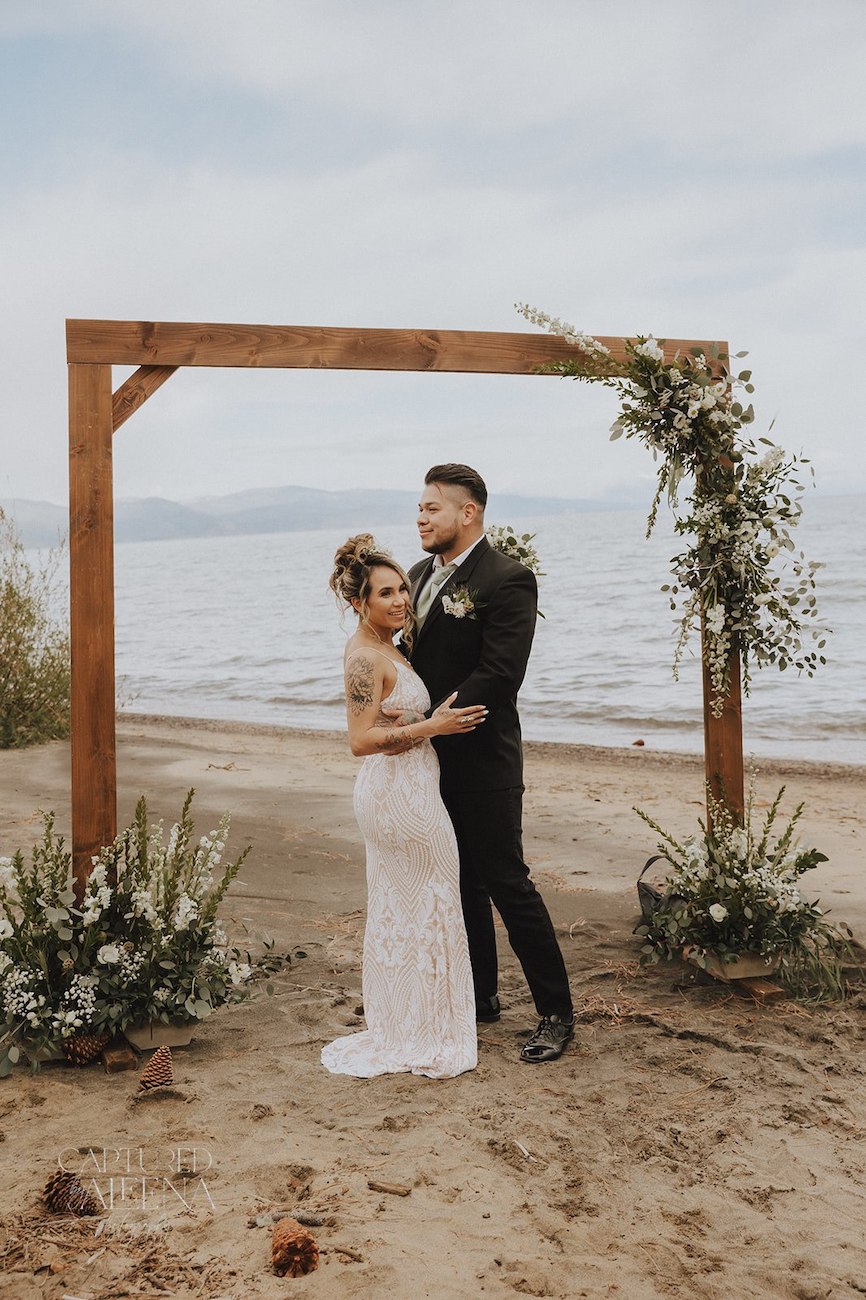 Photographer: Captured By Aleena Photography // Venue: North Tahoe Event Center // Planner: Blue Sierra Events // Officiant: Your Memorable Day // Tux: Blue Champagne Weddings Co // Beauty: Wildflower Bride; Floral: A Floral Affair
Expect the unexpected.
Cliché, right? But it’s incredibly true in this instance. Right off the bat, let’s make this clear: if you are the “stresses over every detail” type, DO NOT plan your wedding in a remote location. It’s not for the faint of heart. But, if you’re up for the challenge, here are a few things you should expect:
- Rough roads – “Oftentimes, smaller locations’ roads cannot handle large delivery trucks,” Audrey Maria Cadio of The Wedding Atelier says.
- Additional labor charges – “We once had to barge items into a smaller island in Fiji, and the barge only went once a week, so we had to book very far in advance,” Audrey adds. “We also had the staff there for a week, so we budgeted those hours and also provided housing for them that week.”
- Delivery surcharges – “Usually,” Morgan Levi, founder of On the One Tulum, mentions, “there is a surcharge for vendors to deliver to out-of-the-way locales, and it is needed to cover transportation costs.”
- Potential for decor damages – “For items imported from abroad, secure storage facilities are critical so delicate décor and rentals arrive in perfect condition,” Deborah Kugler, founder of OFFICIÀLÉ, advises.
Plan your team strategically.
In a remote wedding, the people you bring on board matter just as much as the location itself. Think carefully about which vendors are essential and which can be local. “If there’s a vendor you truly connect with, it’s worth flying them in. But I always recommend balancing that with local talent. They know the area and might bring a level of expertise that only comes with full knowledge of the destination,” says Isabella of Isabella Rodríguez Photography.
Consider scouting the location.
If possible, make a trip to your venue ahead of time. Timing it during the same season as your wedding gives you insight into weather patterns, potential road issues, and even the practicalities for your guests. Morgan suggests, “Courtesy baskets in the bathrooms are always appreciated, with wipes, repellent, fans, and flip-flops!”
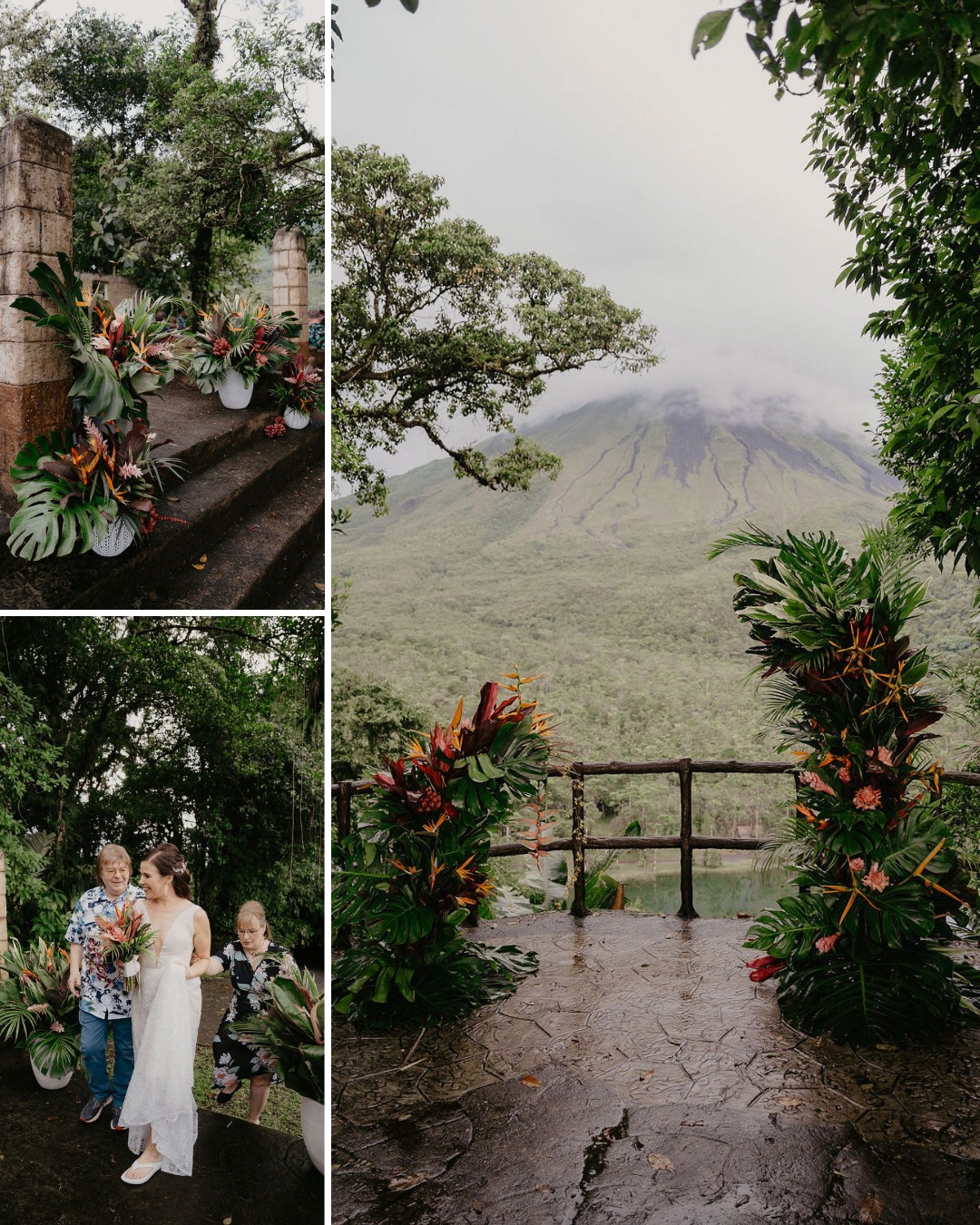 Photography & Videography: Bacalao Films// Venue: Rainforest Chapel // Wedding Planner: Mil Besos // Reception Site: Jalapas Restaurant // Florist: Flores de Campos
Plan for guest comfort and travel logistics.
Your guests may not be used to remote locations, so make their journey as seamless as possible. A well-designed wedding website, detailed itineraries, and all the info about accommodations, flights, and local transportation go a long way to cutting out confusion. Ali of Engaging Events by Ali adds the importance of reiterating the details as the wedding aproaches with “text reminders, email blasts, and even just talking to the family and wedding party to remind them of the little nuances of the location.”
Don’t forget essentials like power, water, and amenities.
Remote doesn’t mean impossible, but it does mean preparing for gaps in infrastructure. Generators, extra bathrooms, and backup plans for food or drink are critical. “When choosing a more isolated location, clients should adjust their expectations around logistics, timing, and available amenities. Remote venues may have limited accommodations, fewer local vendors, or restricted access to utilities,” Barbara Vanni of Bweddings & Events explains.
Budget for flexibility.
Unexpected costs are part of the remote wedding experience—delivery surcharges, labor fees, and emergency contingencies all add up. “Couples should also budget with a buffer, as remote locations often come with hidden costs. With the right team and preparation, these challenges can be transformed into a seamless experience,” Audrey notes.
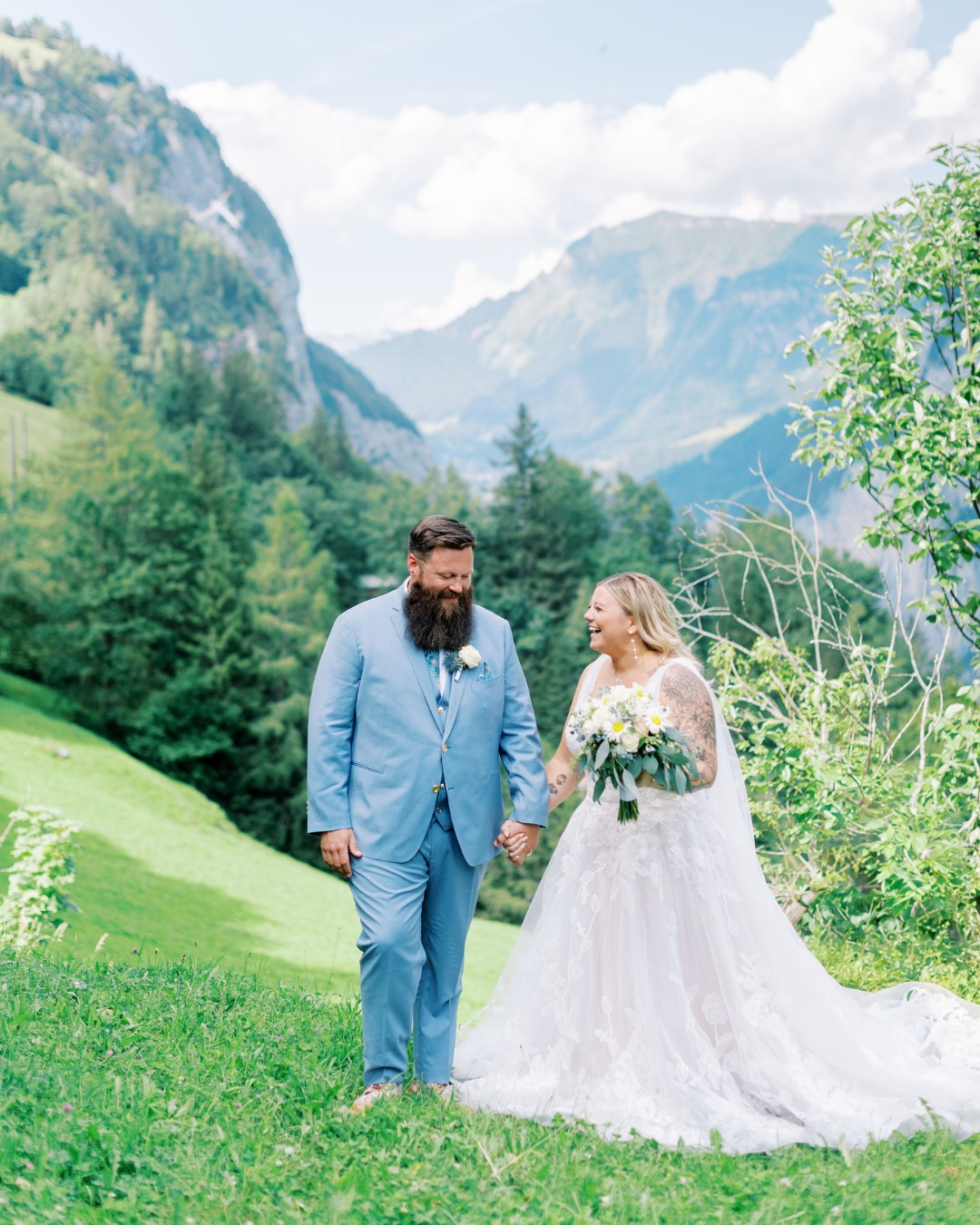 Photographer: Brianna Vögeli Photography // Ceremony Site: Mountain Hostel
Lean into the charm of isolation.
The trade-offs are worth it. Fewer amenities and slower Wi-Fi are outweighed by stunning scenery, intimacy, and a truly unique celebration. “Remote spots run differently. Wi-Fi might be slow, service may feel more relaxed, but in exchange, you get incredible scenery and an intimate experience. Lean into the charm of it, that’s where the magic is,” Isabella says.
Embrace the experience.
Ultimately, a remote destination wedding is about storytelling. With the right planning, team, and mindset, what initially feels like a logistical hurdle transforms into a celebration unlike any other. “One of the most common challenges couples encounter in remote locations is the beautiful unpredictability of it all… When couples embrace this mindset, what once felt like a challenge transforms into an unforgettable moment of luxury—where every detail, even the unplanned ones, feels elevated and cinematic,” Mari concludes.
Featured Image by Ást og Hraun