
7 Overlooked Destination Wedding Details to Plan Right Now
July 13, 2026
Words by
Photos courtesy of
Planning a destination wedding from afar comes with a unique set of challenges that a local celebration doesn’t have. Coordinating vendors across time zones, navigating unfamiliar venues, and getting a group of people to the same place is a lot to juggle. Even the most organized couples find that certain details slip through the cracks along the way!
It happens to everyone, and it’s not a reflection of how much care went into planning. Destination weddings simply have a longer list of moving pieces than most couples expect. Here’s a look at the planning decisions that tend to get overlooked, so you can check them off before they impact your guest experience.
 Photo by Kelly Hornberger Photography
The lighting at your venue
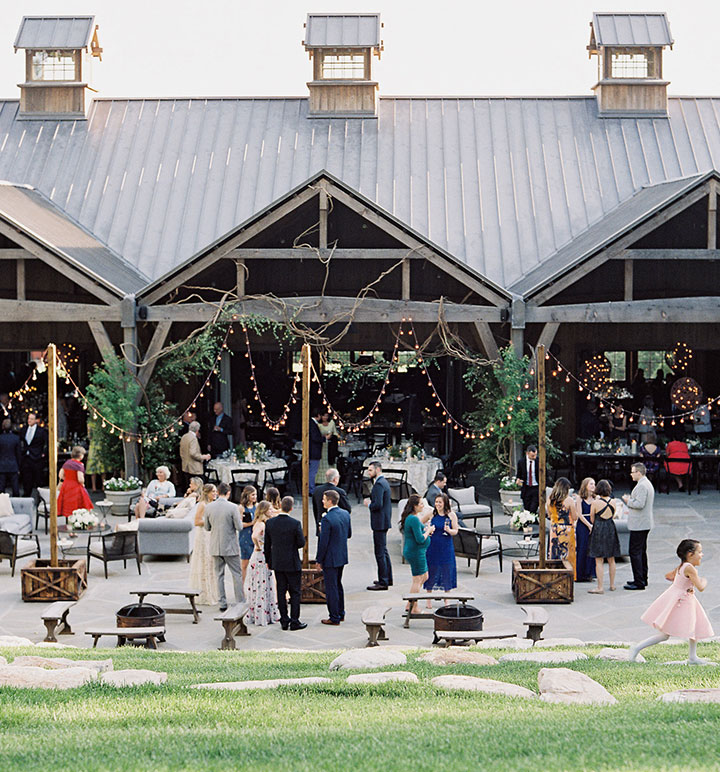
Lighting can make or break the atmosphere of a wedding, and at a destination venue, it’s one of the easiest things to underestimate. A venue that’s stunning in daylight can look completely different after the sun goes down, and the reverse is equally true.
- Do a Walkthrough: The single most useful thing a couple can do is visit the venue at the same time as their events. Julian Ribinik of Julian Ribinik Studios notes, “I always encourage couples to walk through the venue with their photographer at the exact time their events will take place, because understanding the light early shapes decisions around supplemental lighting, decor placement, and even the ceremony timeline itself.” A ceremony space that’s flooded with golden afternoon light may be pitch-dark by the time the reception kicks off, and discovering that on the wedding day leaves little room to course-correct.
- Ask About Infrastructure: Not all destination venues are set up to accommodate additional lighting equipment, and some have restrictions on what can be brought in. Understanding what’s in place early in the planning process gives couples time to come up with creative solutions.
- Consider Your Vision: Lighting sets the emotional tone of each moment, from the ceremony to the last song. Work with a lighting professional to map out how the space should look at each stage of the evening, rather than treating it as a one-off decision.
Lighting is one of those details that guests feel more than they’re consciously aware of, but they absolutely notice when it’s off. Some extra attention here goes a long way toward making every moment of the evening look exactly as you pictured it.
 Photo by Canva Creative Commons // Mock Wedding Site by Lovebird
A super detailed wedding website
A wedding website for a destination celebration is the best communication tool a couple has. With guests navigating a new destination, a multi-day schedule, and logistics they’ve never dealt with before, a thorough website can answer the majority of questions before they’re asked.
- Keep It Updated: A wedding website is only as useful as it is up to date. As vendors are confirmed and details evolve, the website should reflect those changes.
- Include Packing Inspiration: Guests heading to an unfamiliar climate or dress code love a little visual guidance. “A nice wedding website is helpful, but guests need more than just dates and FAQs,” reminds Jaclyn Watson of Jaclyn Watson Events. “They want to know what to expect, what to pack, how to get around, what the weather will be like, and what the event schedule is. When guests have all the information they need, they feel relaxed and can enjoy the moment.” A dedicated section with packing suggestions and notes on what to expect weather-wise ensures guests arrive prepared rather than panicked.
- Cover Every Logistical Base: Accommodations, transportation, the weekend schedule, local restaurant recs, FAQs… Basically, if a guest might ask about it, it belongs on the website. Think of it as a travel guide written specifically for people attending your wedding.
A detailed wedding website reassures guests. The couple that puts effort into this resource gives their loved ones the gift of arriving knowing exactly what to do and what to expect.
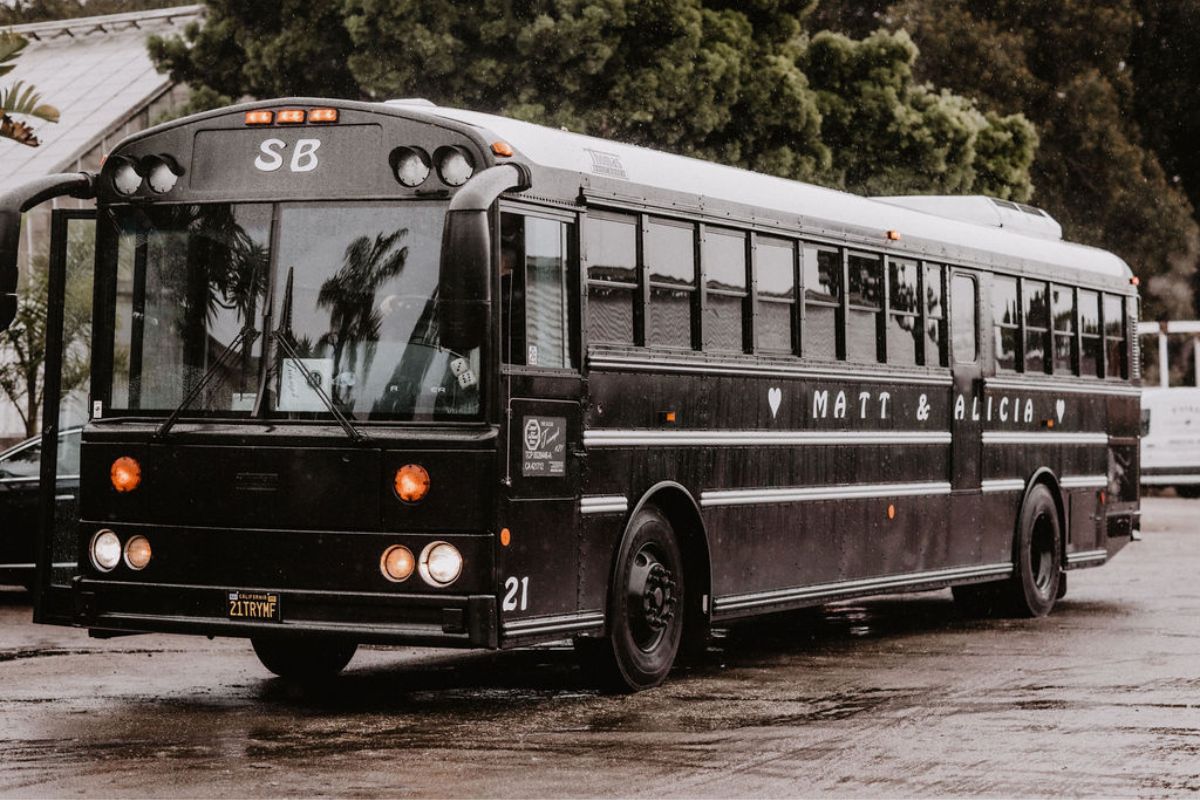
Photo by Matt + Jess
Transportation options
Transportation is an overlooked logistical element of a destination wedding, and it can really affect your guests if it goes wrong. Those navigating a different country or city without any guidance can find themselves stressed before the celebration even begins.
- Organize Transportation: If guests are staying at multiple properties or if the venue is removed from the accommodations, shuttle service is essential. Bimpe Oladunni of Plete Events shares, “I’ve worked on weddings where guests were spread across several hotels, so transportation planning became incredibly important. Organizing coaches and transfers between hotels and venues helped ensure everyone arrived on time and could fully enjoy the celebrations without worrying about directions, parking, or booking taxis late at night.” Coordinating reliable transportation means guests aren’t scrambling for rideshares or worrying about how they’re getting home after a long night of celebrating.
- Address the Airport Question Early: The journey from the airport impacts the entire arrival experience. Whether couples arrange group transfers or recommend a trusted car service, guests should never arrive at a destination without knowing how they’ll get where they need to be.
- Put It All in Writing: Transportation schedules, pickup locations, and driver contact numbers should be documented and shared across multiple channels, such as the wedding website and pre-travel email. The more visible this information is, the less likely anyone is to miss it.
Seamless transportation is something guests rarely think to mention when it works perfectly, but when it doesn’t, it becomes the story they tell about the weekend. Getting it right sets the tone for everything that follows.
 Photo by Eric Kelley Photography
Welcome details
The moment guests arrive at their hotel after a long journey is a moment a lot of couples don’t give much thought to. A warm, well-considered welcome experience signals that this trip was worth making, and the couple has considered their guests long before they landed.
- Create Thoughtful Welcome Bags: Few things land better after traveling than finding something waiting in your hotel room. “One detail that is often underestimated is the welcome guests receive upon arrival,” confirms Valentina Porro of Valentina Weddings & Events. “A welcome bag with a clear agenda for the weekend and a few local treats is such a nice touch after a long day of travel.” Coordinate with the hotel in advance to have bags placed in rooms before check-in.
- Write a Personal Note: A handwritten note from the couple tucked into the welcome bag adds a layer of warmth no printed card can replicate. A paragraph or two expressing gratitude is more than enough to make someone feel welcome.
- Think Beyond the Bag: Welcome details extend past what’s in the room. A text or email from the couple that goes out the moment guests are expected to arrive, letting them know you’re excited they’re there, is a small touch that makes a big impression.
Travel is tiring, and even the most excited guests can arrive worn out. A welcome experience that meets them where they are is one they won’t forget.
 Photo by Sandra Aberg
Leaving free time for guests
It’s tempting to fill every hour of a destination wedding weekend with planned events, but a packed itinerary can leave guests more exhausted than celebrated. Adding breathing room into the schedule is the considerate thing to do.
- Leave Open Space: One of the greatest gifts of a destination wedding is the location itself, and guests deserve time to experience it. Jennifer Symula of Symula Media Group says, “Something that is oftentimes is overlooked when it comes to wedding planning for destination weddings is the itinerary schedule, leaving some open space for guests to do their own thing; while couples are absolutely there to celebrate the couple, it seems to be more of a cumbersome obligation to fill up every hour of the whole trip with events, versus allowing guests to do some excursions on their own.” Unscheduled hours give people the freedom to wander, discover a local restaurant, or decompress.
- Avoid Back-to-Back Events: Even when each event sounds appealing, a schedule with no gaps between them leaves guests no time to rest, change, or catch their breath. Some white space between events is the difference between guests who show up energized and guests who show up running on fumes.
- Trust That Less Can Be More: A weekend with three well-spaced, memorable events will be talked about longer than one with six that all blur together. Resisting the urge to over-program takes confidence, but the couples who do it almost always hear from guests that the weekend was fun from start to finish.
Remember: A destination wedding weekend is a celebration, not a marathon! Giving your loved ones room to breathe makes every shared moment land with meaning.
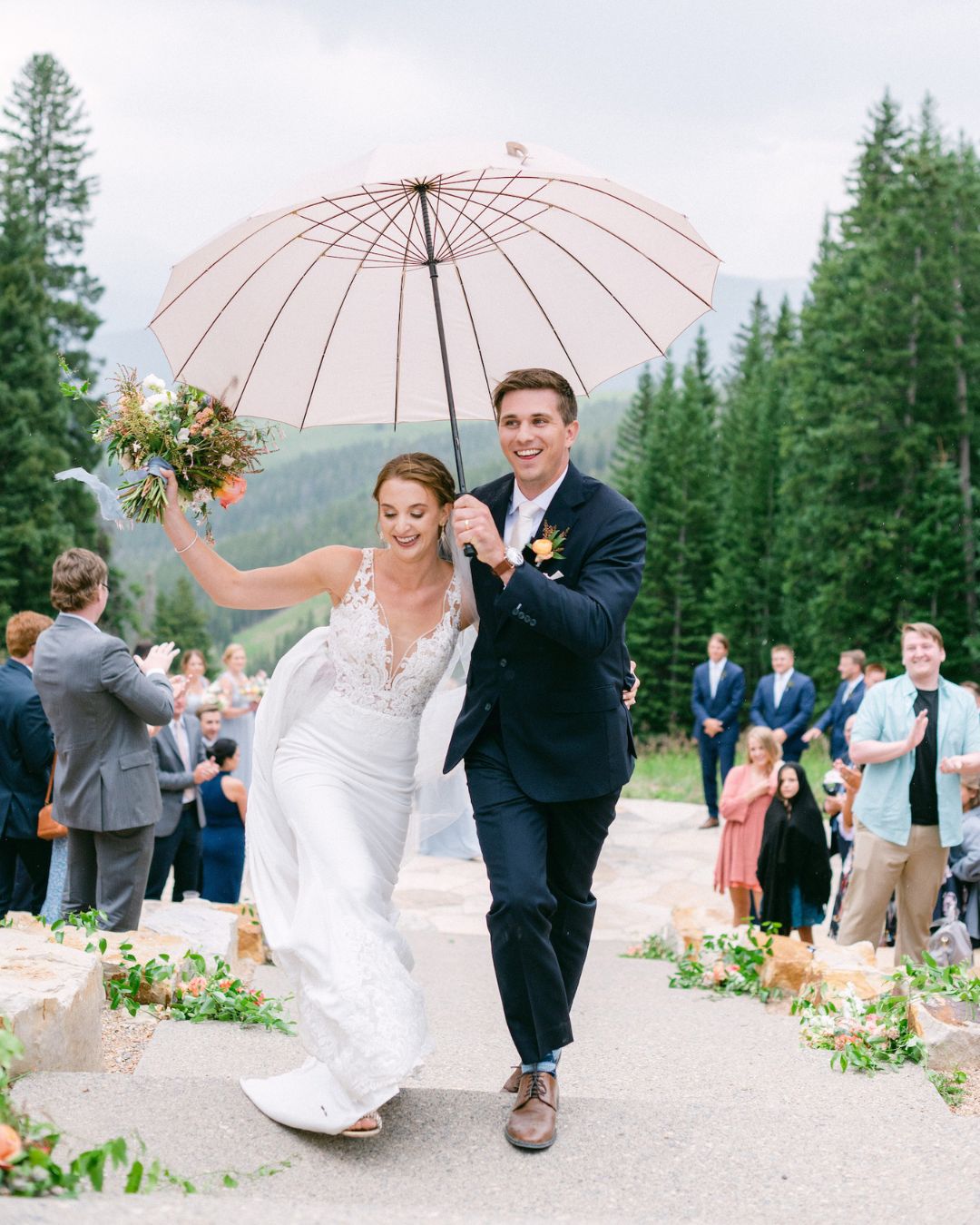 Photo by Jamee Photography
The impact of the weather
Weather is a big variable in any outdoor destination wedding, and it’s out of anyone’s hands. What couples can control is how prepared they are for whatever conditions their destination brings.
- In Cool Climates, Bring the Warmth: An outdoor evening event in a destination with dropping temperatures calls for more than a heads-up to guests to bring a jacket. Blanket baskets, patio heaters, and warm drink stations turn a potentially chilly evening into a cozy one.
- In Warm Climates, Keep the Cool: A beautiful outdoor ceremony loses its magic fast if guests are sweltering with no relief in sight. “Since many destination weddings are in a tropical location, it’s important not to overlook the comfort of your guests who will be dealing with the heat,” emphasizes Jen Avey of DestinationWeddings.com. “For example, does your venue have shade, water bottles, and/or hand fans easily accessible?” Tented spaces with fans, portable air conditioning units, chilled towels, and well-placed water stations are what keep guests comfortable rather than counting down to the next shaded spot.
- Always Have a Contingency Plan: Sometimes, the most reliably sunny destinations can still surprise you. Work with your venue to establish a backup plan for rain, wind, or unexpected temperature drops, and know exactly when and how that plan gets activated.
Weather won’t make or break a destination wedding on its own, but preparation will. Couples who plan for what the weather might throw at them give their guests the best possible shot at a gorgeous celebration, regardless of the forecast.
 Photo by Jarrod J Photo
Arrival logistics
Getting a group of people from different cities (sometimes different countries!) to the same destination at roughly the same time is a massive logistical undertaking. Without guidance, guests are left to make their own travel arrangements with no visibility into what everyone else is doing.
- Work with a Travel Advisor: A professional who specializes in group travel can be one of the most valuable people on a destination wedding team. Michele Schwartz of Jet Setting with Me outlines, “A travel advisor gets everyone into the same conversation from the start: right flights, right timing, real understanding of what the journey actually takes. The earlier that conversation happens, the better the entire weekend goes.” Having someone dedicated to that process means couples aren’t fielding individual travel questions from every person on the guest list.
- Share Recommended Windows: Guests shouldn’t have to guess what dates make sense to travel. Provide a recommendation on when to arrive and depart so guests know they won’t miss anything important or end up paying for an extra night they didn’t need.
- Anticipate the Unexpected: Delays, cancellations, and missed connections are a reality of travel, particularly for guests coming from far away. Having a plan for communicating last-minute changes, such as a group chat or a point of contact, means that when something goes sideways, guests know who to reach and what to do.
A smooth arrival is something guests will barely register, and that’s the goal. The less they have to figure out on their own, the more energy they have for the celebration waiting for them.
Destination weddings are an incredible way to celebrate for couples and guests alike. The planning process has more layers than most people realize, but fortunately, the decisions that get overlooked are the ones with the easiest fixes. Address them early, lean on the right people, and trust that the effort you put in behind the scenes is what will make the weekend enjoyable for everyone else!
Featured image by Soul & Sky Weddings