The Biggest Questions Guests Ask Before a Destination Wedding
June 29, 2026
Words by
Photos courtesy of
Destination weddings bring together people who care enough to travel (sometimes across the world!) to celebrate a couple they love. It’s a special kind of commitment, and with it comes a curiosity about what the trip will look like. Between an unfamiliar destination, a multi-day itinerary, and logistics that go well beyond a standard wedding, questions are part of the package.
The couples who thrive at this are the ones who see communication as part of the hospitality. Getting ahead of what guests wonder about sets everyone up to arrive feeling prepared and ready to celebrate. Here’s a look at the questions guests ask most, and how to make sure the answers are waiting for them.
The biggest questions
What the trip will cost
Money questions are uncomfortable for guests to ask out loud, which is why couples should answer them before anyone has to. The cost of attending a destination wedding goes well beyond a gift, since guests are factoring in flights, accommodations, meals, and activities across several days.
- Break Down What’s Covered: Guests shouldn’t have to guess what the couple is providing versus what they’ll be on the hook for. Julian Ribinik of Julian Ribinik Studios shares, “Guests want to know what the trip is actually going to cost them once you add up flights, hotel, ground transportation, and time off work.” The clearer the cost, the easier it is for guests to budget and commit.
- Be Honest About What’s Not Included: If guests are expected to cover their own dinners on certain nights or handle their own transportation, don’t be afraid to say so. A guest who arrives expecting a fully hosted experience and discovers otherwise mid-trip is in an awkward position that could have been avoided.
- Give Them Enough Lead Time: The earlier guests have cost information in hand, the more time they have to save and book at better rates. Sharing this as soon as save-the-dates go out gives guests the runway they need to make it work financially.
Cost transparency is about respecting everyone’s ability to plan. Guests who know what they’re signing up for financially are more likely to show up relaxed and ready to celebrate!
 Photo by Kelly Hornberger Photography
Transportation options
Getting around an unfamiliar destination is one of the most common sources of stress for wedding guests, and it starts the moment they land. Without any guidance, your loved ones are left piecing together logistics on their own.
- Address the Airport Question First: The journey from the airport to the hotel sets the tone for the arrival experience. “Beyond the venue details, knowing and understanding the available transportation arrangements to and from airports and hotels can cause a lot of stress for guests,” notes Tabitha Roberts of Roberts & Co. Events. Whether couples arrange group transfers or recommend a car service, guests should land in a new city knowing how to get where they need to go.
- Map Out the Wedding Day Logistics: If the ceremony and reception are in different locations, shuttle service is essential. Communicate pickup times, locations, and any return schedules so guests can plan their evening without worrying about how they’re getting home at the end of the night.
- Think Beyond the Wedding Day: Guests will be navigating the destination on their own time too. A guide to local transportation options gives them the confidence to explore and have fun.
Transportation is one of those details that guests rarely think to praise when it goes smoothly, but absolutely notice when it doesn’t. Getting ahead of every logistics question means guests spend the weekend focused on the party rather than figuring out how to get from point A to point B.
If there’s a dress code
Packing for a multi-day destination wedding is a puzzle, and few things create more stress than not knowing what to wear. Guests are working with limited luggage space, different weather, and events ranging from a casual beach gathering to a formal reception, all in the same weekend.
- Set Expectations Early: Dress code information shouldn’t be an afterthought tucked into the final details email. Keith Willard of Keith Willard Events says, “Because it is a destination wedding, guests tend to let their imaginations run wild. Some immediately picture beachwear or Hawaiian shirts, so setting expectations early helps everyone feel more comfortable and prepared.” Include it as early as the save-the-date stage so guests have it in mind as they shop and pack.
- Address Each Event Separately: A destination wedding weekend typically involves multiple events with unique vibes, and each one deserves its own dress code note. Spelling it out event by event removes any room for confusion.
- Put It Somewhere Easy to Find: The dress code should live somewhere guests can reference, like the wedding website or invitation suite, since a detail buried in an email thread is easy to miss.
Guests want to look and feel their best at every event, and a well-communicated dress code makes that possible. The couple who saves their guests from an overpacked suitcase or panicked last-minute shopping trip earns an appreciation that carries through the entire weekend.
How you can anticipate guest needs
Send save-the-dates early
The earlier guests have your date in hand, the better positioned they are to make it work. A save-the-date that arrives well ahead of schedule is one of the most practical gifts a couple can give their guest list.
- Try Giving at Least a Year’s Notice: The general rule of thumb for destination weddings is to send save-the-dates twelve to eighteen months in advance. “We also always suggest that once the couple has their date and venue secured, they send out their save-the-dates,” advises Kristen Gosselin of KG Events & Design. “Getting that travel information to their guests with as much lead time as possible is crucial to ensure guests have enough planning time.” The earlier the better here, as there’s no such thing as too much lead time for a trip of this scale.
- Include the Essentials Upfront: A save-the-date for a destination wedding should go beyond the date and location. For example, if travel details are confirmed, share them. Guests who can make concrete plans fast are less likely to put it off until flights are twice the price.
- Follow-Up Before the Formal Invitation: Don’t have too big a gap between the save-the-date and the invitation. A brief check-in email with any updates keeps the wedding top of mind and gives guests a nudge to act if they haven’t booked yet.
Sending save-the-dates early can make all the difference in your loved ones’ ability to attend. It’s a small act of consideration that pays off in a room full of people who made it.
Put information in one place
Guests shouldn’t have to piece together logistics from multiple sources to figure out key info. Because of the volume of information involved in a destination wedding, having a single hub is a must.
- Build a Thorough Website: A wedding website is the most accessible place to centralize all the logistical information guests might need. Jen Avey of DestinationWeddings.com highlights, “We suggest laying out all event details on your wedding website to ensure transparent communication and curb any frantic questions from guests. This includes everything from your welcome party to the ceremony, reception, etc.” Update it as details are confirmed so guests always have the most current information at their fingertips.
- Create a Physical Document for On-Site: Once guests arrive, they shouldn’t have to rely on a phone signal to find their way. “I usually suggest preparing an information document,” explains Patrícia Esteves of Peach Perfect Weddings. “It doesn’t have to be creatively designed, but it should contain helpful details for guests.” A printed itinerary or welcome booklet gives them something tangible to reference during the weekend.
- Keep It Current: A wedding website or document is only as useful as it is accurate. Designate someone, such as a trusted family member, to own updates and ensure nothing slips through the cracks as plans evolve.
Guests who know where to look for answers will spend less time knocking on your door throughout the planning process. Removing the friction of hunting down logistics frees everyone up to focus on the parts that matter most.
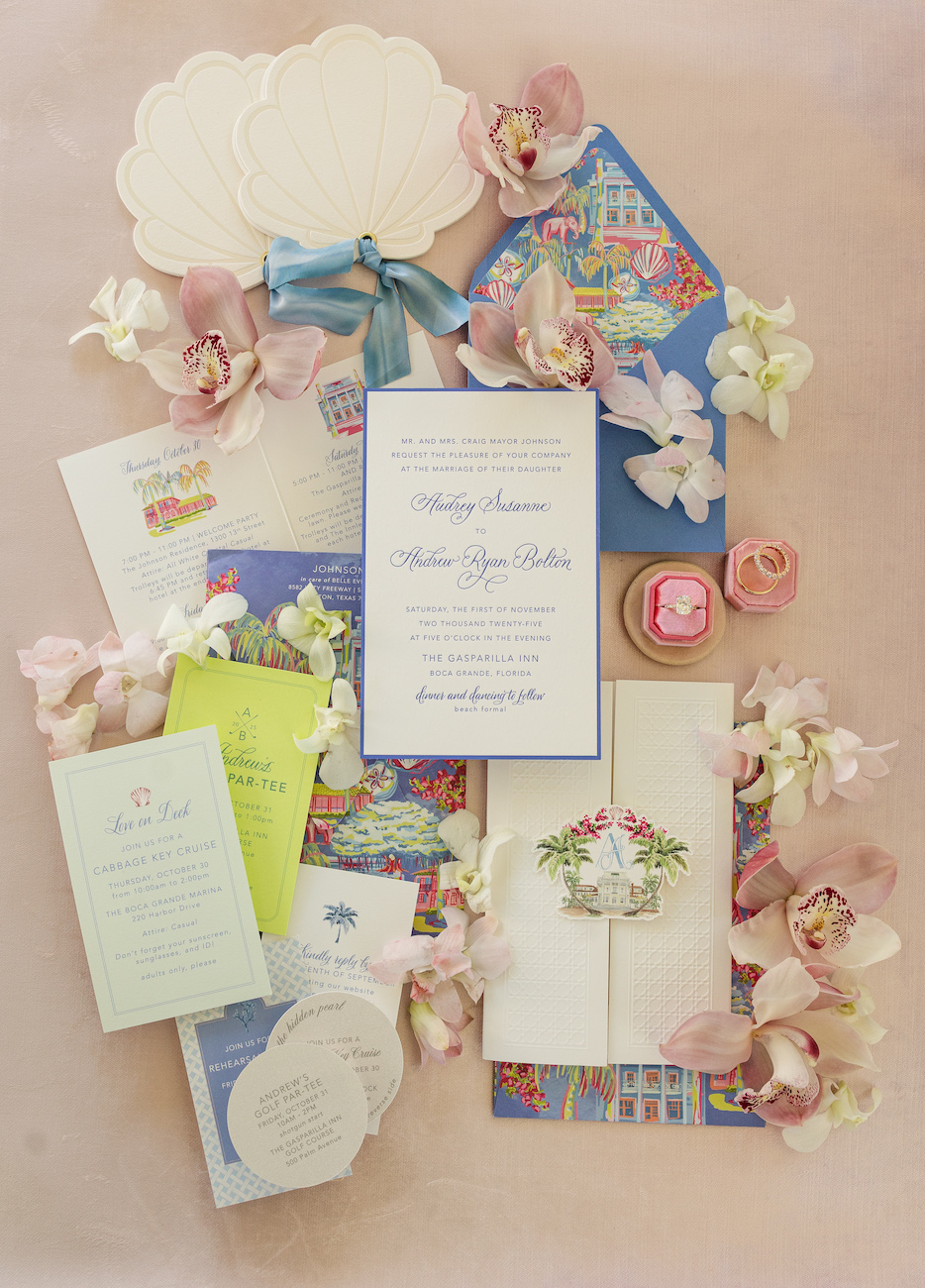 Photo by Kelly Hornberger Photography
Accommodations at different price points
Securing a place to stay is one of the first things guests tackle after receiving a save-the-date. Without guidance, it can become overwhelming fast.
- Set Up a Room Block: A negotiated room block gives guests a guaranteed rate, proximity to the events, and the bonus of being surrounded by other wedding guests. Coordinate with the hotel early to secure a block that covers the full range of arrival and departure dates guests are likely to book.
- Offer Alternatives at Different Price Points: Not every guest has the same budget, and a single option puts some people in a tricky position. Valentina Porro of Valentina Weddings & Events emphasizes, “Securing a range of accommodation options near the venue and making sure they are at different price points shows care for the guests and eases the anxiety of having to find a place to stay on their own.” Try including some alternatives, like a mid-range option, vacation rental recommendation, or a nearby boutique property.
- Communicate the Deadline: Room block rates come with an expiration date, and guests who miss it can end up paying significantly more for the same room. Include the booking deadline in all communications that reference accommodations, so no one is caught off guard.
Accommodations set the foundation for the entire guest experience. Loved ones who are confident about where they’re staying and what they’re paying arrive at the wedding weekend one step ahead.
Have a point of contact
No matter how thorough the wedding website or detailed the welcome booklet, some guests will still have questions that fall outside of what’s been covered. Having a designated point of contact eliminates the uncertainty of not knowing who to ask and ensures nothing gets lost in the shuffle.
- Lean on Your Planner: A destination wedding planner is typically the most equipped person to field guest questions. “Couples are advised to list their email and the hired planner’s email, so emails are at least answered within 24-48 business hours to their questions,” adds Chandai Raghunauth of Chandai Events. Many planners are happy to serve as the primary point of contact for guests, taking pressure off the couple in the months leading up to the wedding.
- Make It Clear Who That Person Is: Regardless of who you choose, guests should know exactly who to contact and how to reach them. Include this information on the wedding website and in any pre-travel communications so it’s easy to find when a question comes up.
- Be Responsive: A point of contact is only useful if they respond. Set a reasonable expectation for response time and stick to it.
Guests who know there’s an actual person available to help them are supported in a way no FAQ page can fully replicate. A reassuring reply to a nervous question can completely change someone’s experience.
Provide inspiration photos
Words only go so far when it comes to communicating what a destination wedding weekend will look and feel like. Inspiration photos give guests a visual reference point that answers questions they might not even know how to ask.
- Use Photos for the Dress Code: A visual example of the attire you’re envisioning does more work than any written description. Share a small collection of outfit-inspiration images to take the guesswork out of packing.
- Set the Scene for the Destination: Share photos of the venue, surrounding area, and kinds of activities guests might encounter throughout the weekend. Someone who has never visited your destination will be far more prepared (and excited!) after seeing what they’re heading toward.
- Incorporate Them Into the Wedding Website: Inspiration photos don’t need to be delivered in a formal way to be effective. Michelle Jackson of Bambino International suggests, “Expand beyond the dress code and provide a mood board, style inspiration, photos, or a theme on your wedding website. Being more visual will help your guests so much and give them a clearer vision of what to bring.” A dedicated section of the wedding website gives guests a resource they can return to as often as needed.
When words aren’t cutting it, a well-chosen photo usually can. It’s an easy thing to pull together and an effective tool in a couple’s communication arsenal.
 Photo by Charla Storey
Create welcome bags
A welcome bag shows the kind of hosts the couple will be throughout the weekend. Done well, you can give guests exactly what they need after a long day of travel.
- Lead with the Practical: Guests who have just come off a long flight appreciate useful more than decorative. “Welcome bags and a pre-wedding email with key details are also thoughtful touches,” echoes Angelika Johns of Angelika Johns Photography. Snacks, a pain reliever, a reusable water bottle, and any destination-specific essentials like sunscreen signal that the couple thought about what the trip was like for the people making it.
- Add a Local Touch: Including something specific to the destination gives guests an immediate introduction to the place. It’s a small detail that makes the bag feel curated rather than assembled.
- Have It Waiting in the Room: The welcome bag loses some of its impact if guests have to pick it up themselves. Coordinate with the hotel in advance to have bags placed in each room before check-in so it’s the first thing guests see when they walk through the door.
There’s something about opening a welcome bag that acts like an exhale. It’s a signal that the trip was worth it before the weekend has even started.
Destination weddings ask a lot of guests, and the couples who acknowledge that end up with an experience that reflects the effort everyone made to be there. Michele Schwartz of Jet Setting with Me shares, “One last thing: a destination wedding is also your guests’ vacation. The couples who design the weekend like a guest experience, instead of solving it like a logistics problem, end up with weddings that their guests bring up for years afterward.”
Every person who shows up to a destination wedding has gone out of their way to be there. Meeting that effort with a weekend thoughtfully designed around their experience is what turns a beautiful celebration into one nobody is ready to leave!
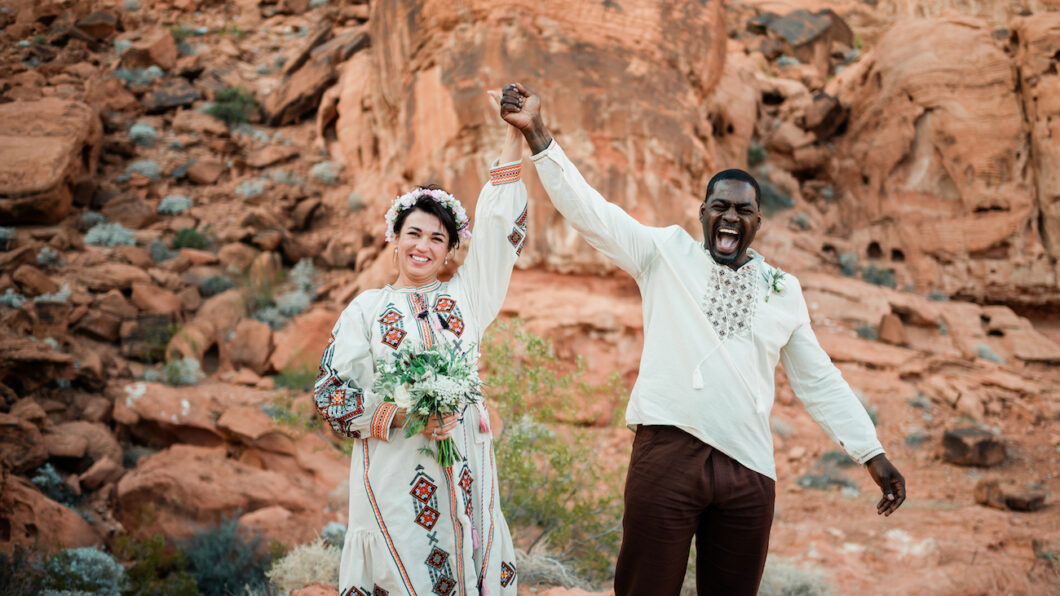
Featured Image by Cactus Collective